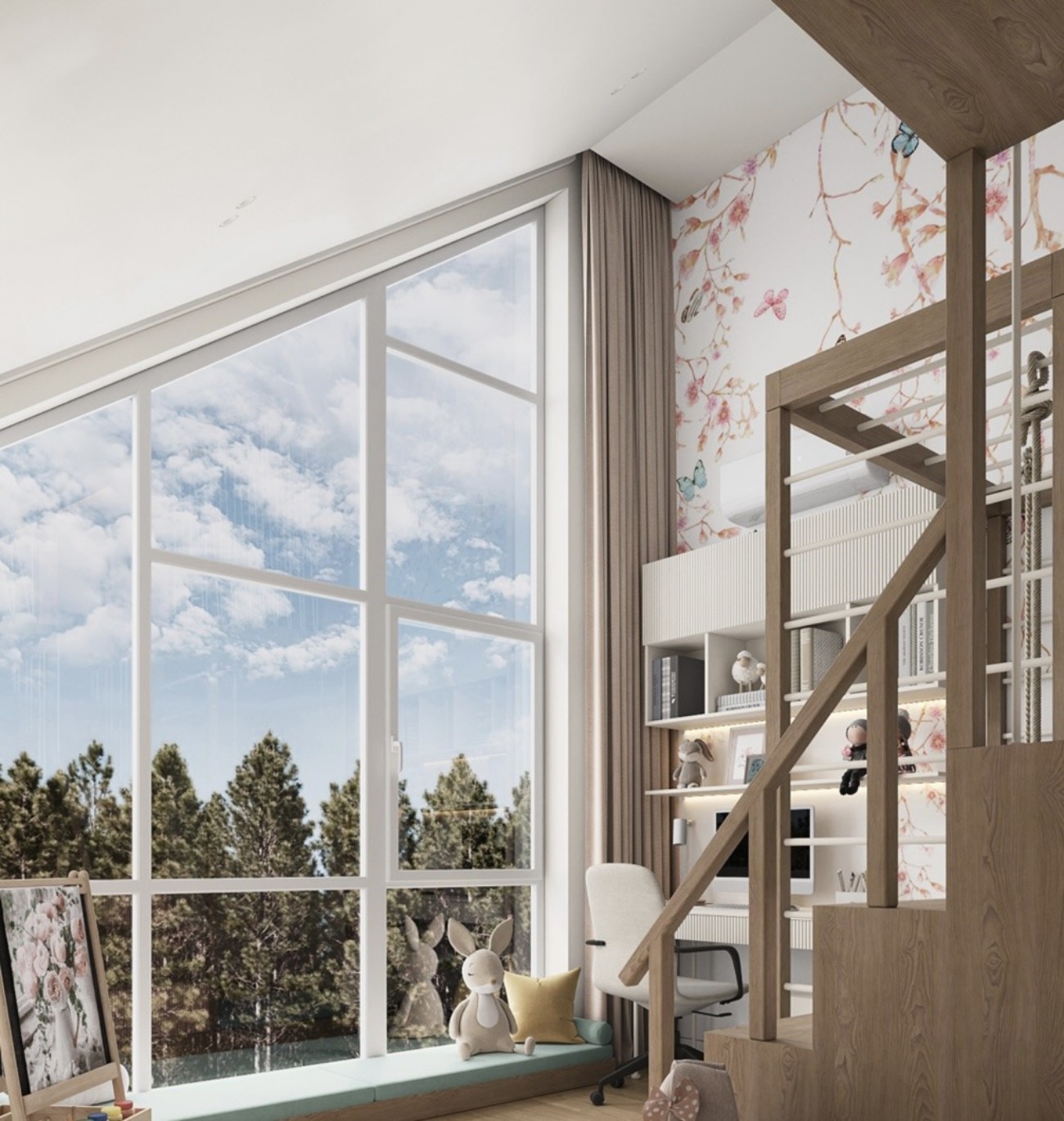



Imagine a place where your child can freely explore, play, learn and create. Creative nursery ideas offer endless possibilities for creating unique and functional rooms that inspire little ones to discover new things. Modern nurseries are becoming more than just a place to sleep; they are real laboratories for development and creativity. From play areas to reading nooks, all of these can become part of their daily routine, shaping their personality and helping them develop important skills.
Here are ten creative ideas to help you create a unique nursery that will meet your child’s needs and encourage them to explore new things.
Theme of the space
Choosing a specific theme for your child’s room can transform it into a unique space that reflects your child’s interests and hobbies. For example, themes can range from space to jungles or fairy tale worlds, creating an atmosphere that stimulates imagination and creativity. Themed decoration helps your child feel like they are part of a fairy tale or adventure, which helps develop their imagination. yesWhen choosing a theme, it is important to consider your child’s preferences, hobbies and interests.
Use Light
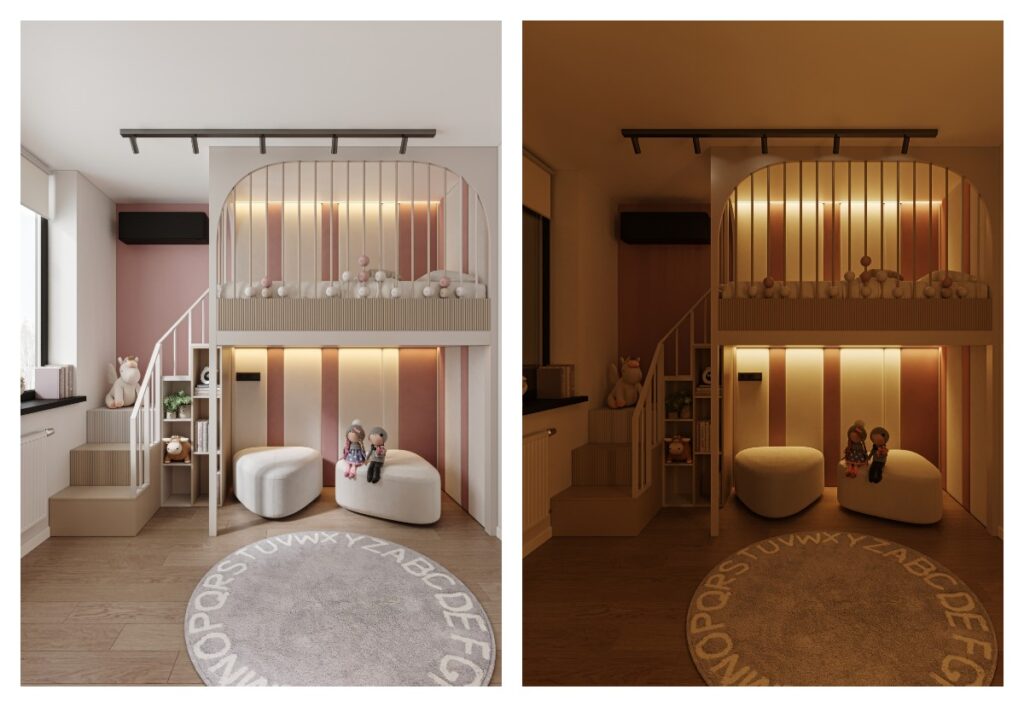
Light can transform a room into a real kingdom of fantasy and creativity. Using different lighting solutions not only decorates the space, but can become the basis for games and activities. Colored LED strips installed under shelves or on the ceiling allow children to change colors and brightness, creating different moods for games and reading. Night lights with a starry sky effect will help calm the child before bed, and hand-held flashlights can become part of active games, such as “light hide-and-seek”. These lighting solutions contribute to the development of creativity and activity of children.
Zoning the room
Divide the room into main zones, using furniture, light partitions or shelves as delimiters. For example, brightly colored walls can define a play area, while calmer shades in the study corner will create an atmosphere for concentration. Include interactive elements that stimulate learning and creativity, and do not forget about a comfortable rest corner where the child can relax after activities.
Color Accents
Color accents are a great way to transform a child’s room into a bright, inspiring space that encourages creativity. Painting one wall a bright color or using colorful stickers can create interesting visual elements, while colorful furniture, such as tables and chairs, will add energy. Textiles in bright colors, such as curtains and pillows, will make the room cozy. It is important to maintain a balance so that color accents do not overwhelm the space, creating an atmosphere conducive to the child’s development.
Organization and Storage
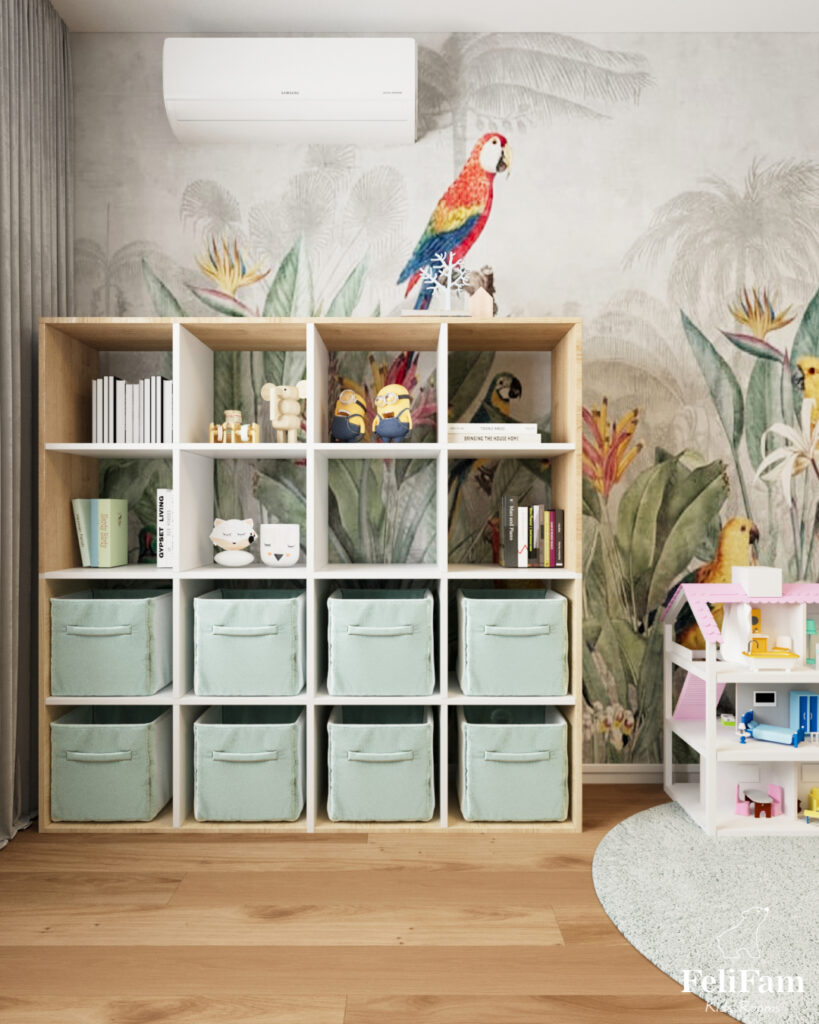
Using modular furniture, such as shelving units with drawers or multifunctional beds with built-in compartments, allows you to use the space efficiently. Hanging organizers on the walls or doors can be a great solution for storing small items, such as toys, books, or stationery. You should also consider using baskets and containers of different colors and shapes, which not only help to maintain order, but also add color accents to the interior. Creative ideas for kids’ rooms include creative storage solutions that help organize the space and teach children responsibility for their belongings.
Accessories for a modern kids’ room
Accessories such as toys, paintings, and textiles play an important role in creating a comfortable and stylish space in a kids’ room. Toys not only provide entertainment, but can also become stylish decor elements, giving the room a personal touch. Paintings and posters inspire children and reflect their interests, creating a lively atmosphere. Textiles such as curtains, rugs, and pillows add coziness and form functional zones, emphasizing the style of the room. Using these accessories allows you to create a bright and unique space that meets the needs of the child.
Flexible furniture solutions
Investing in furniture that adapts to the age of the child helps create a comfortable and functional space. Adjustable chairs and tables can change height, which ensures comfort during learning and play. Modular beds that transform can be transformed according to the needs of the child, for example, from a bunk bed to a regular bed. Using flexible furniture, such as cabinets with built-in drawers, allows you to effectively organize storage space. Thus, furniture that grows with the child helps to create a stylish and durable interior that can adapt to changes in the baby’s life.
Natural Elements: Plants in the Nursery
Plants in the nursery not only decorate the space, but also purify the air, creating a healthy environment for the child. Choosing different species, from large palms to small cacti, adds color and life, and placing them on windowsills or shelves creates interesting accents. Caring for plants teaches responsibility in children and helps them learn about nature. Easy-to-care for plants, such as succulents, are a great start for little gardeners. Integrating plants into the room design helps to cultivate a love of nature at a young age.
Mirrors: An Element of Style and an Expanding Space
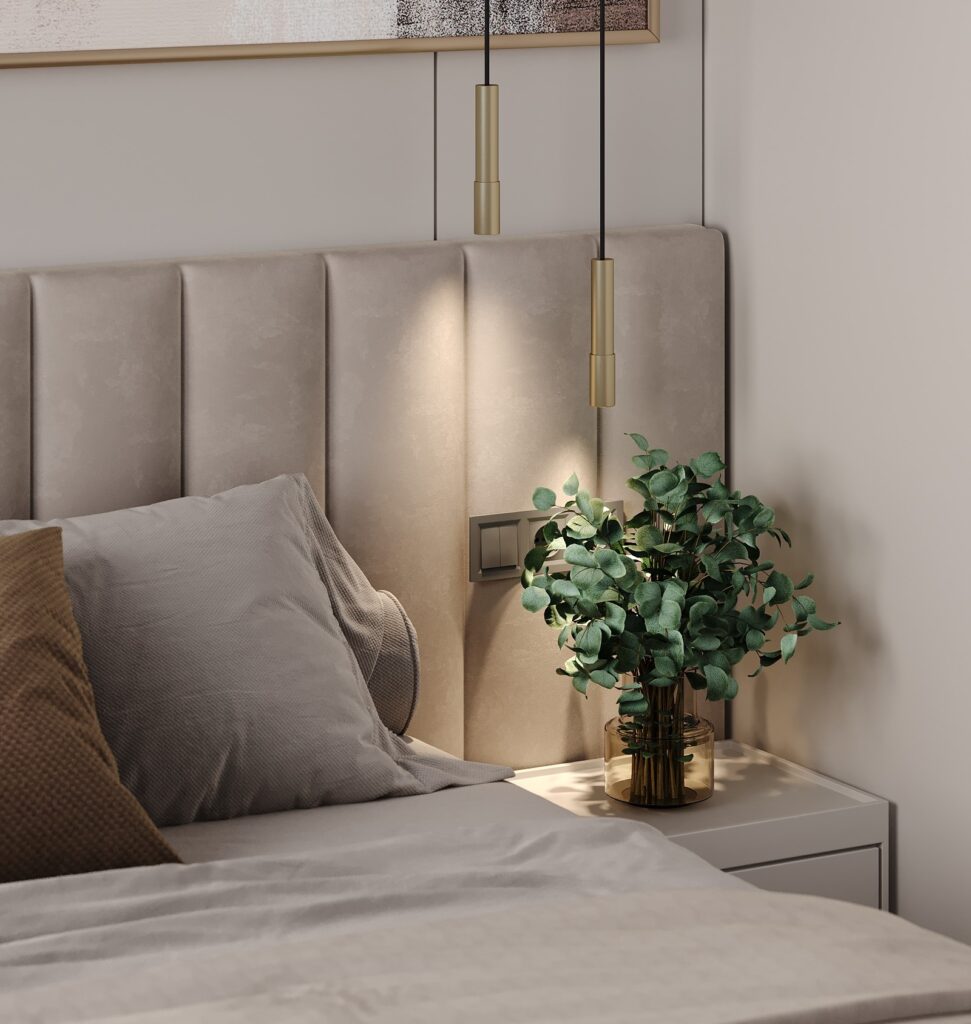
Mirrors are an effective way to expand the space in a nursery, creating the illusion of more space. They reflect light, making the room brighter and airier, which is especially important in small spaces. Placing mirrors opposite windows allows you to make the most of natural light. Decorative mirrors in the shape of stars or animals can add a stylish accent and reflect the child’s interests. Mirrors also encourage self-expression, as little ones love to play with their reflection. Using mirrors makes a child’s room more interesting and comfortable.
Window Arrangement
Window arrangement is an important element of a child’s room design, as it affects the overall style and atmosphere of the space. Windows provide natural light that encourages the child’s activity, while bright or themed curtains emphasize the individuality of the room. Decorative elements on the windowsills, such as plants or toys, create functional areas and add coziness. Light, transparent fabrics provide soft lighting, while darkening materials create comfortable conditions for sleep. Thus, window arrangement combines