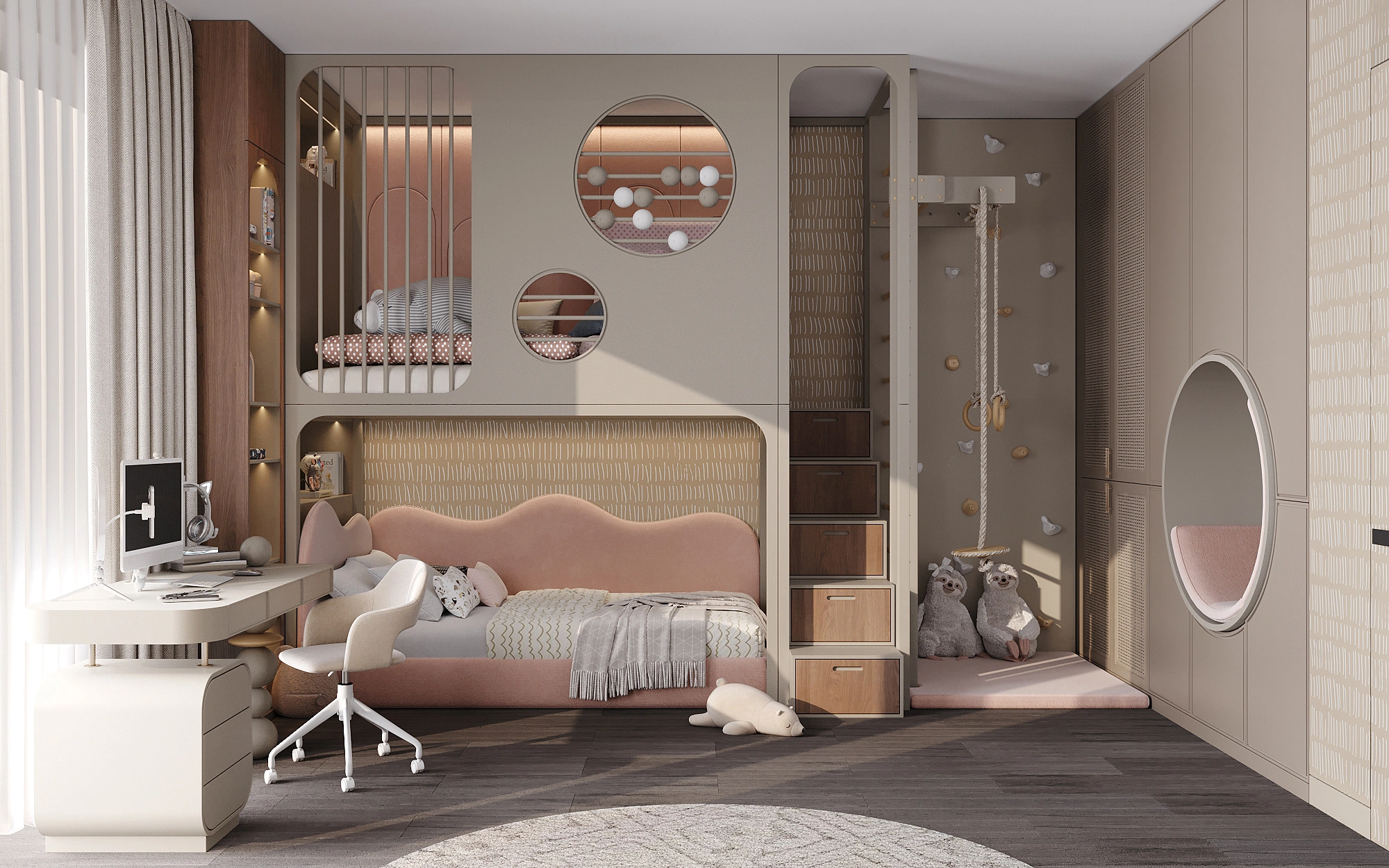



A windowsill in a child’s room can be much more than just an interior detail. The space by the window can be transformed into a study area, a cozy reading nook, or a dedicated space for creative activities. These solutions help make better use of the available space and create a more comfortable environment for your child.
A well-thought-out children’s room design takes into account not only aesthetics but also everyday needs. Even a small area by the window can serve a new purpose when the space is planned thoughtfully. Let’s explore five ideas that combine practicality with a harmonious interior.
1. A Window Desk: A Study Area by the Window
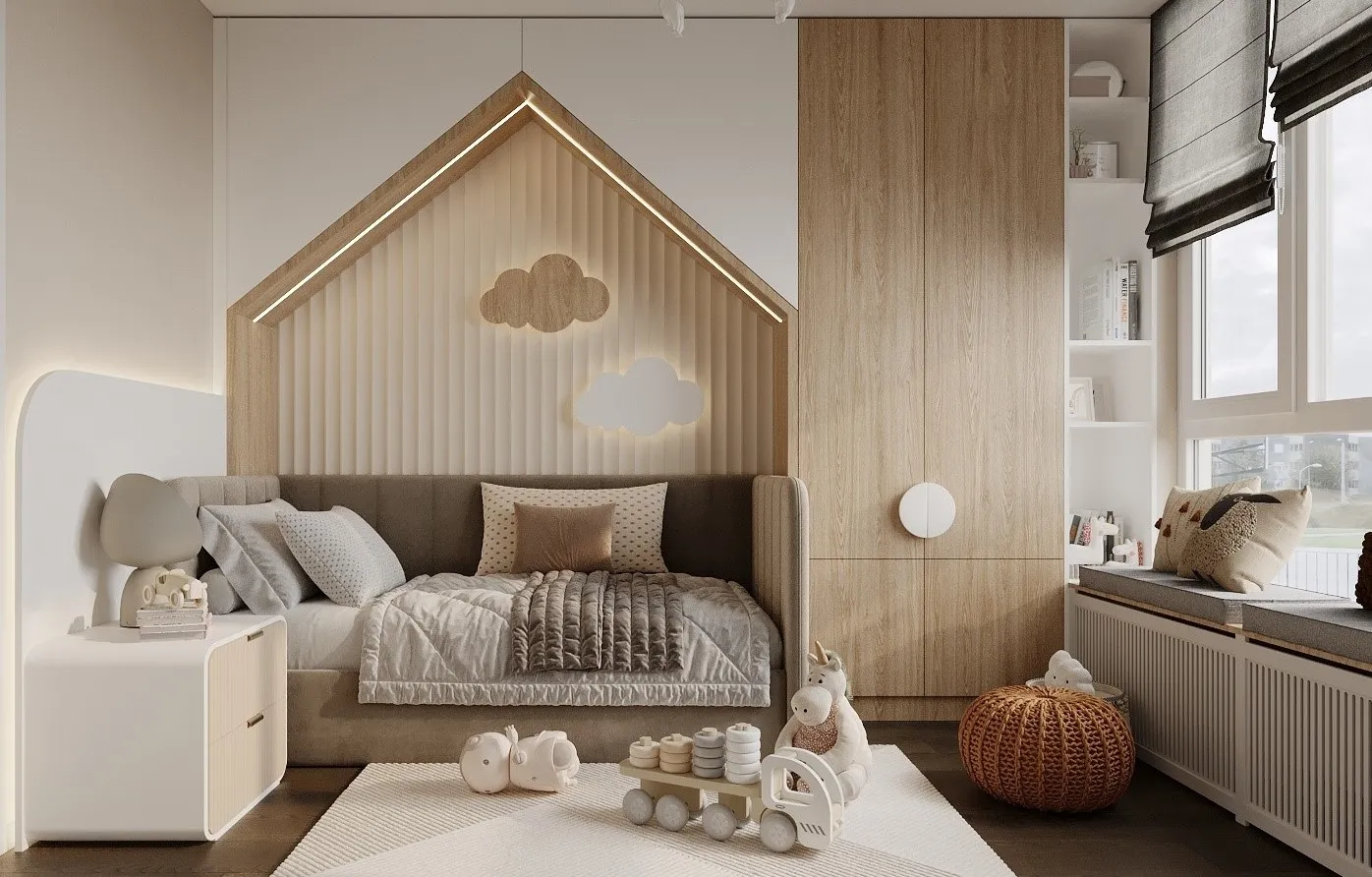
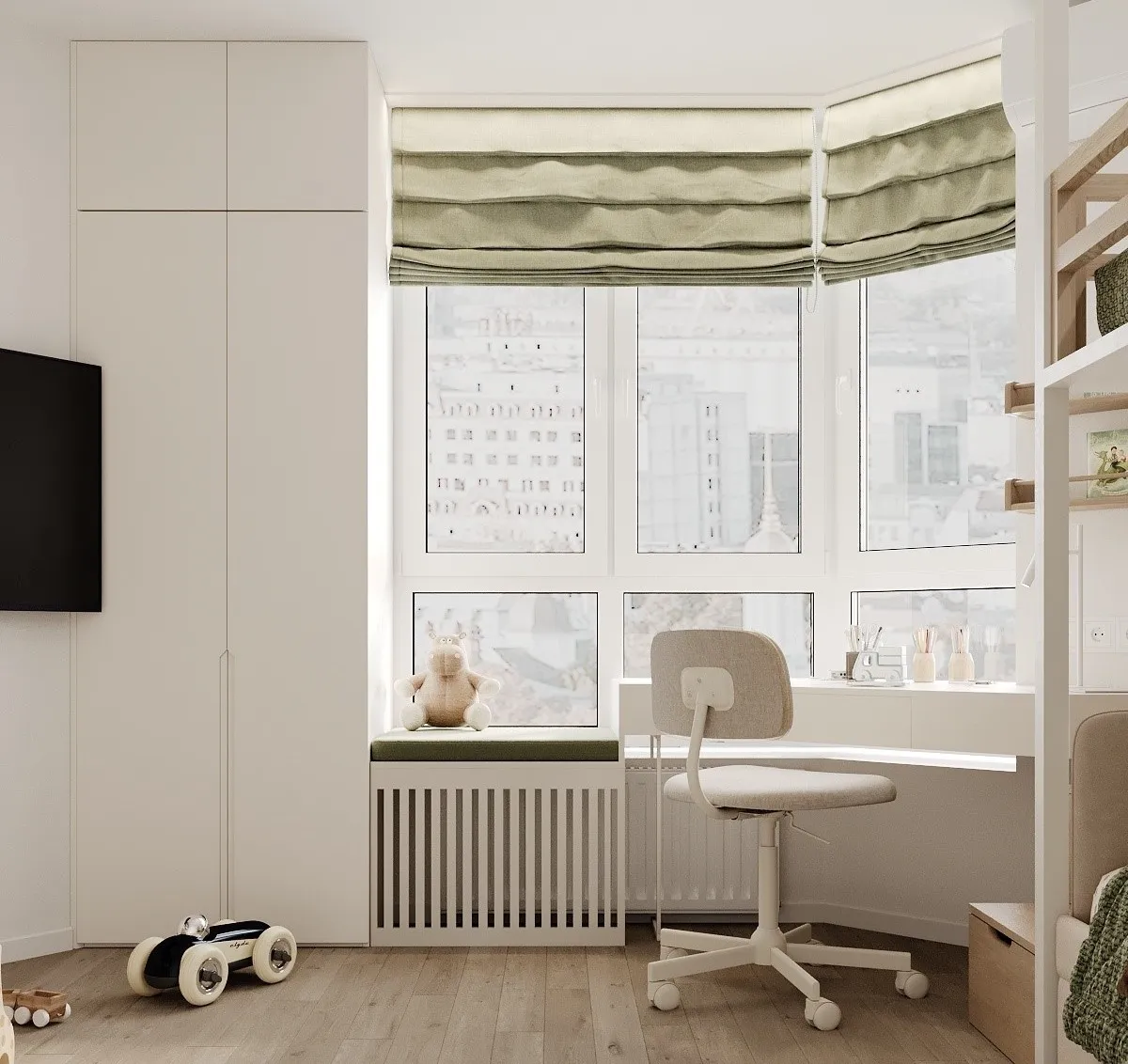
One of the most popular ways to make use of a windowsill in a child’s room is to turn it into a desk. A study area by the window benefits from natural daylight throughout the day. Extending the windowsill into a desk also saves space and creates a fully functional area for studying.
This solution is particularly useful in smaller rooms. When planning the desk, make sure there is enough depth for comfortable working, sufficient legroom, and space to store stationery. It is also important to consider the height of the work surface and the position of the radiator. This helps ensure your child’s comfort while allowing warm air to circulate freely.
2. A Cozy Window Seat for Relaxation
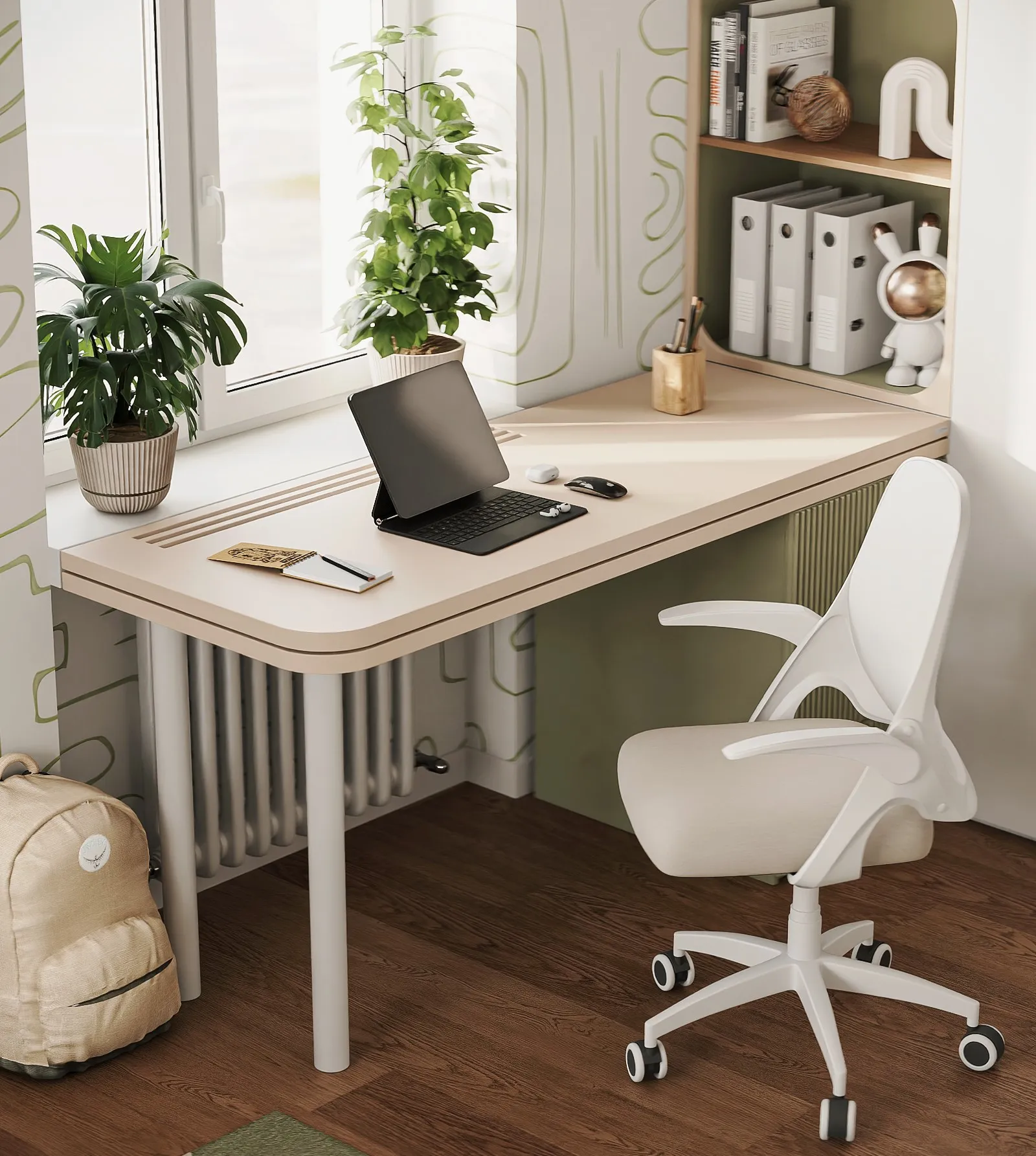
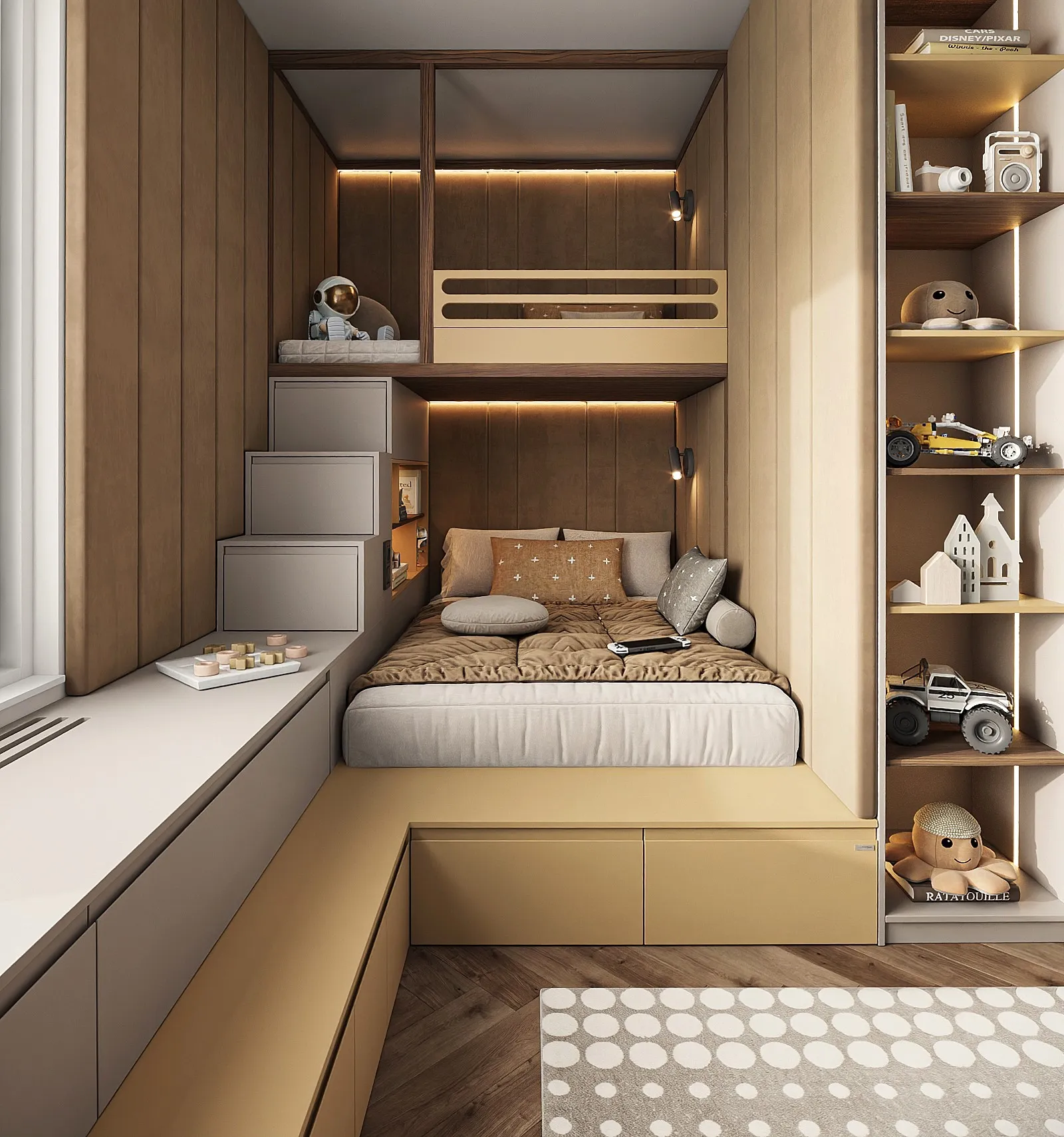
The space by the window can be transformed into a cozy nook for reading and relaxing. A wide windowsill with a soft cushion and pillows can become a favorite spot where your child can enjoy a book or look out at the view. If the windowsill is not deep enough, a separate seating structure can be designed instead.
Comfort and safety are essential when creating this kind of space. Consider the seat height, the stability of the structure, and easy access to the window. A few cushions, soft textiles, and a small lamp, if there is a safe place for it, can help create a warm and inviting atmosphere.
3. A Windowsill as Part of a Cohesive Interior
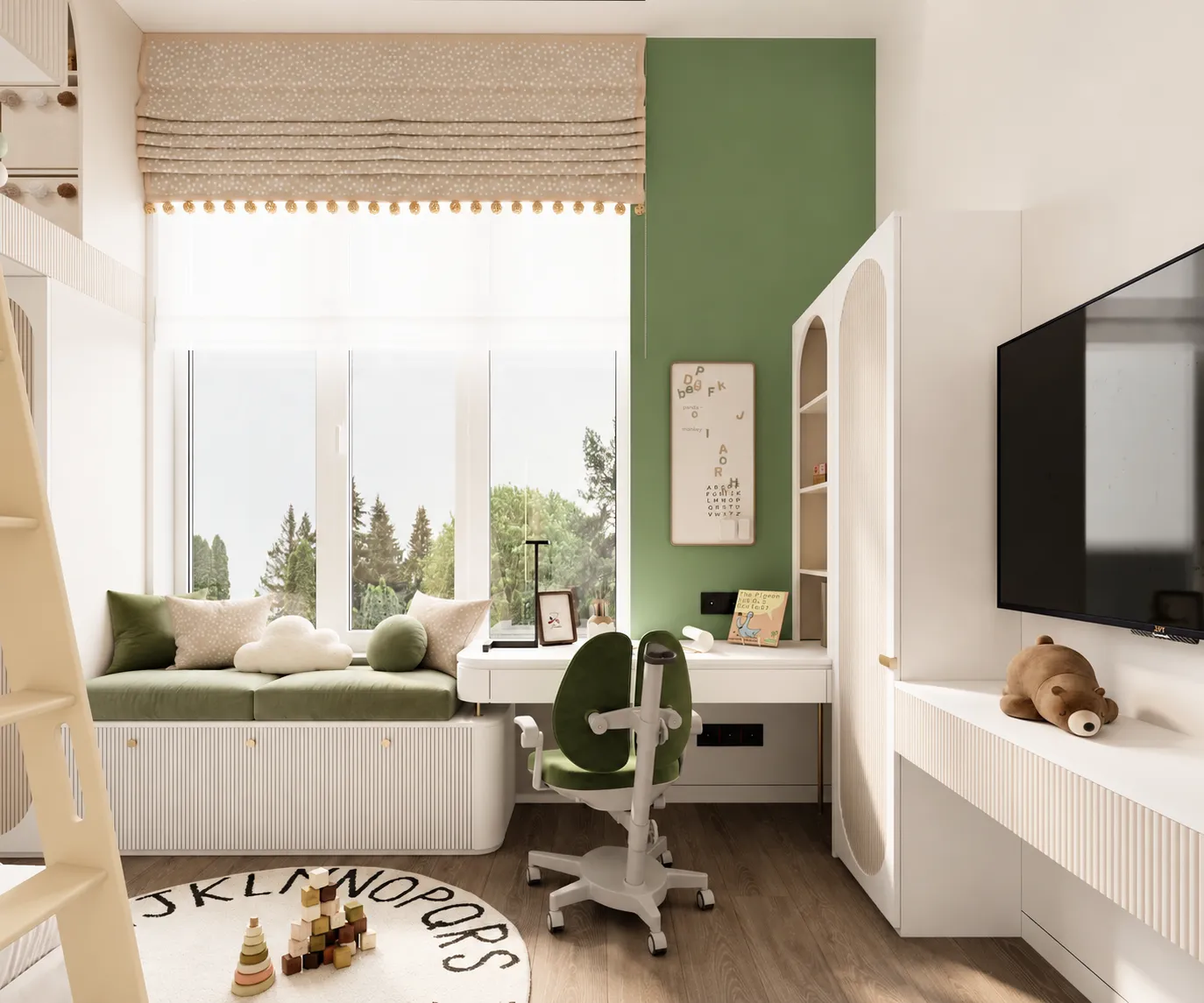
A windowsill can become an important design feature in a child’s room. It can be finished in a color that matches the walls, coordinated with the flooring, or turned into an accent feature with natural wood. These choices help visually connect the window area with the rest of the interior.
When choosing materials, it is important to consider practicality as well as color. The surface should withstand everyday use and be easy to clean. Proportions also matter: an overly bulky windowsill can make the room feel crowded, while a simple, understated design helps maintain a cohesive look.
4. A Creative Space by the Window
If your child enjoys drawing, modelling, or crafts, the area by the window can be adapted for creative activities. A desk extending from the windowsill provides enough room for art supplies and helps create a dedicated space for favorite hobbies. Natural light is also useful when drawing or working with small details.
To keep the area organized and practical, make sure there is space for paper, pencils, and other supplies. Desktop organizers or small shelves can help keep everything within reach. Your child should be able to access the materials independently, while the work surface remains clear enough for creative activities.
5. How to Make the Most of a Windowsill in a Small Child’s Room
In a small room, making efficient use of every square metre is especially important. Instead of a separate desk, you could create a window desk and add a compact relaxation area nearby. Custom-made furniture makes it possible to adapt these solutions to the room’s layout, window dimensions, and your child’s needs.
Before making any changes, measure the available space and check that the furniture will not obstruct the window. You should also take the radiator’s position and the need for natural light into account. A well-planned children’s room with a functional windowsill can make the most of the available space without overcrowding it with furniture.
Conclusion
A windowsill in a child’s room can become a study area, a cozy place to relax, or part of a creative workspace. The key is to choose a solution that suits the room’s layout and your child’s needs. With the right approach, the space by the window can be both attractive and genuinely useful in everyday life.