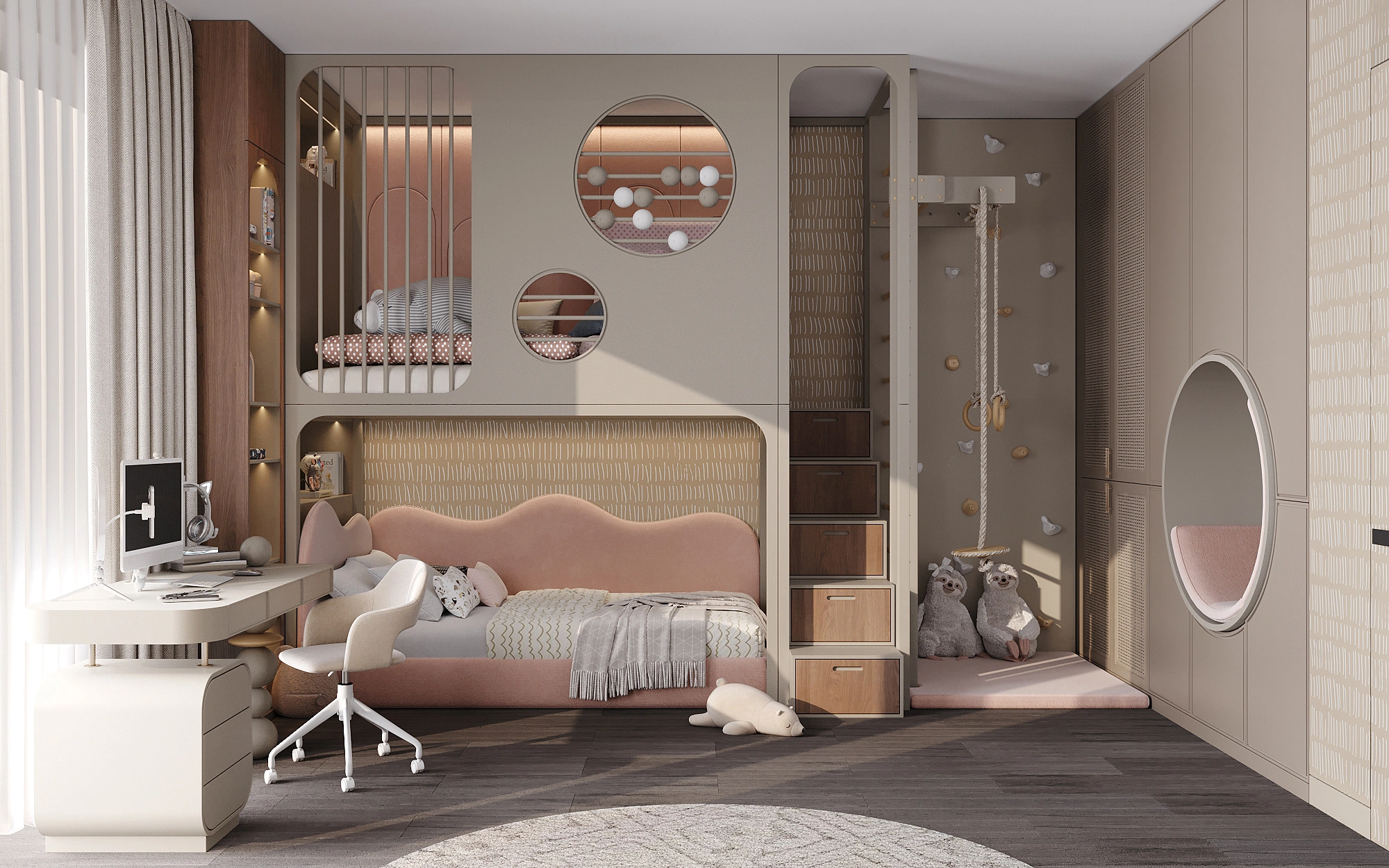



When does a child need their own room? Should parents wait until a child starts asking for more independence, or is it better to create a separate space earlier? And what if a child already has their own room but still prefers to spend most of their time with their parents?
There is no single right age when every child should have their own room. A child’s need for personal space changes as they grow. For a toddler, a separate room may simply be a place for play, books, and favorite belongings. For a school-age child, it becomes a space for learning, hobbies, and everyday routines. For a teenager, privacy and personal boundaries become increasingly important.
Having a separate room also does not mean that a child has to become completely independent overnight. With a comfortable environment and a gradual transition, a child’s room can become a natural part of growing up and developing independence.
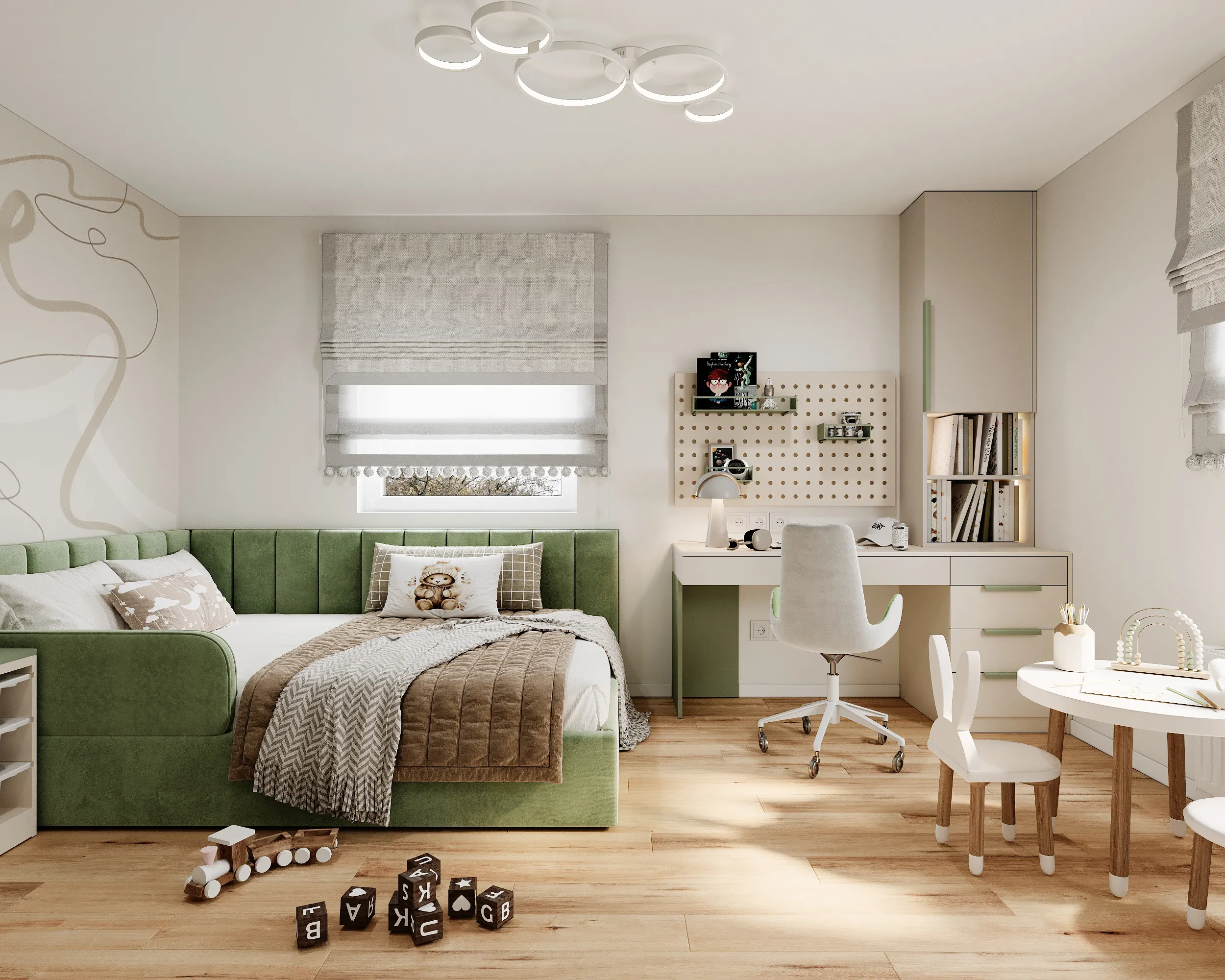
When Should a Child Have Their Own Room?
A child can have their own space from an early age, even if they are not ready to sleep there every night. For a young child, a separate room can be a place for play, books, creative activities, daytime rest, and personal belongings. Parents can spend time there together with the child, or the child can gradually become comfortable using the space independently.
For babies, however, sleep safety is the priority. The American Academy of Pediatrics recommends that infants sleep in the same room as their parents, but on a separate sleep surface, ideally for at least the first six months. The NHS also recommends keeping a baby in the same room as the parents for at least the first six months, both during the day and at night.
This does not mean that parents cannot create a nursery or children’s room before that time. If the family has a separate room available, it can be prepared in advance and used during the day for play, books, changing, and spending time together. Moving the baby to sleep in their own room can be considered later, based on the family’s circumstances and the child’s development.
As children grow, the purpose of their room changes too. Around the ages of 2–3, it may still be mainly a place for play and daytime rest. Between 3 and 6, children usually begin to use the room more actively as their own territory: playing, drawing, reading, keeping personal belongings, and gradually learning to spend some time independently.
Once a child starts school, new needs appear. In addition to sleep and play, the room may need space for homework, reading, creative activities, and hobbies. A well-planned children’s room can support these different activities without becoming overcrowded.
From around the age of 10 and into the teenage years, privacy and personal space often become increasingly important. Children develop new interests, friendships, and routines, so their room should gradually adapt to the way they actually live and use the space.
There is therefore no universal age when a child must have their own room. If the family has the opportunity, a separate space can be created early and gradually adapted as the child grows and their needs change.
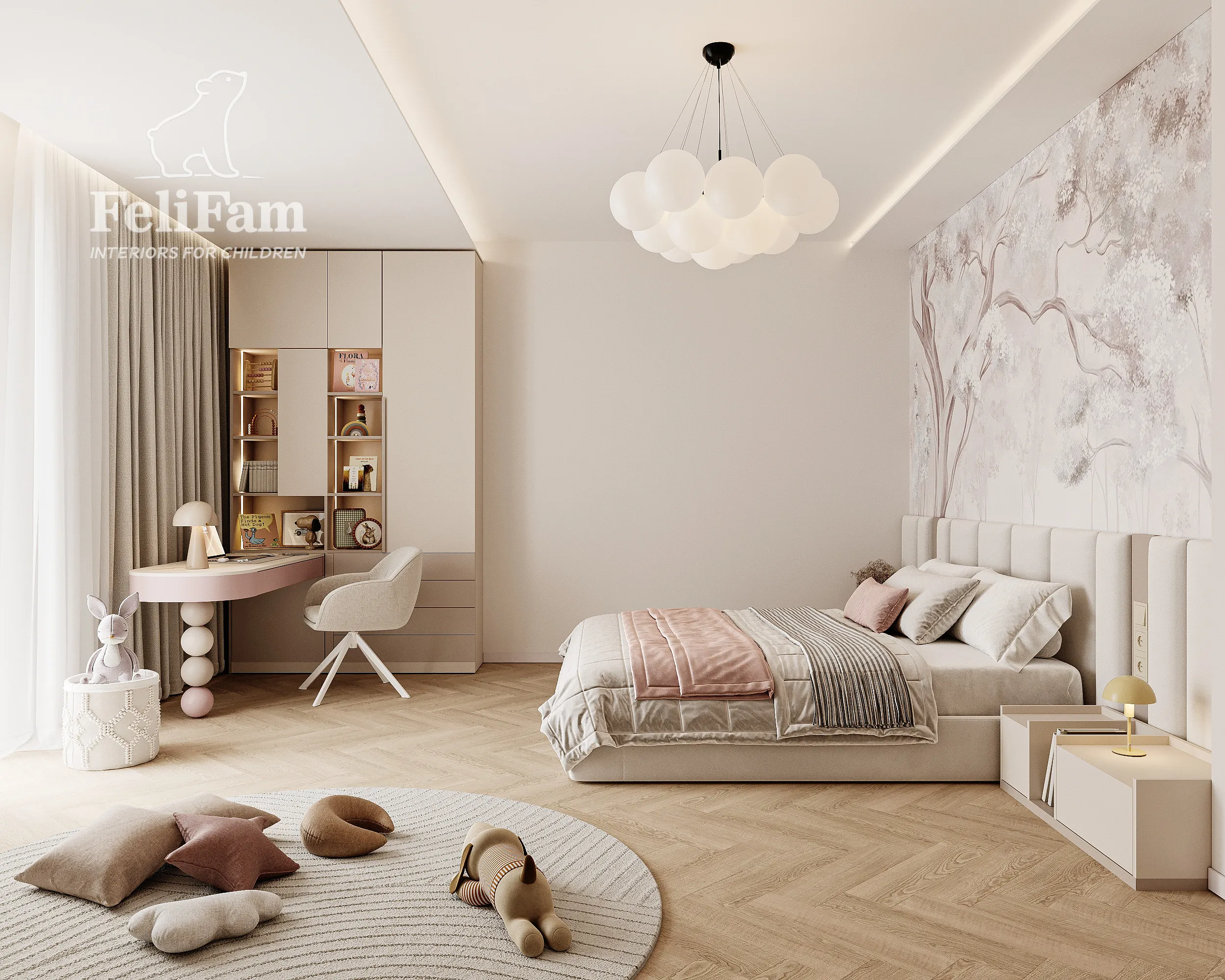
How to Tell If Your Child Is Ready for Their Own Room
A child’s readiness for their own room depends on more than age. It is also worth considering their behavior, growing need for independence, and attitude toward having their own space. Even if a separate room is already prepared, a child may not immediately want to spend all their time there or sleep there alone.
One possible sign that a child is ready for more personal space is an interest in having a place of their own. They may want to keep their toys separately, choose their own bedding or decorations, or create a small corner for drawing, reading, or playing.
It is also useful to look at how the child spends time during the day. If they enjoy playing independently, can spend some time without a parent constantly nearby, choose their own activities, and remain comfortable, having their own room may be a natural next step.
Age also influences what a child needs from their room. A preschooler may need space for toys, books, and creative activities. A school-age child needs room for studying and hobbies, while an older child may increasingly value privacy and the ability to spend time alone.
At the same time, being ready for their own room does not necessarily mean being ready to sleep there alone. A child may happily spend time in the room during the day but still prefer to fall asleep near their parents. There is no need to rush this transition.
If a child is interested in the new space, wants to help choose some details, and naturally starts spending more time there, it may be a good moment to make the room feel like their own personal territory.
A child’s room should not feel like a punishment or a way to force them to grow up faster. It should be a comfortable place where they can play, learn, relax, explore their interests, and gradually develop independence.
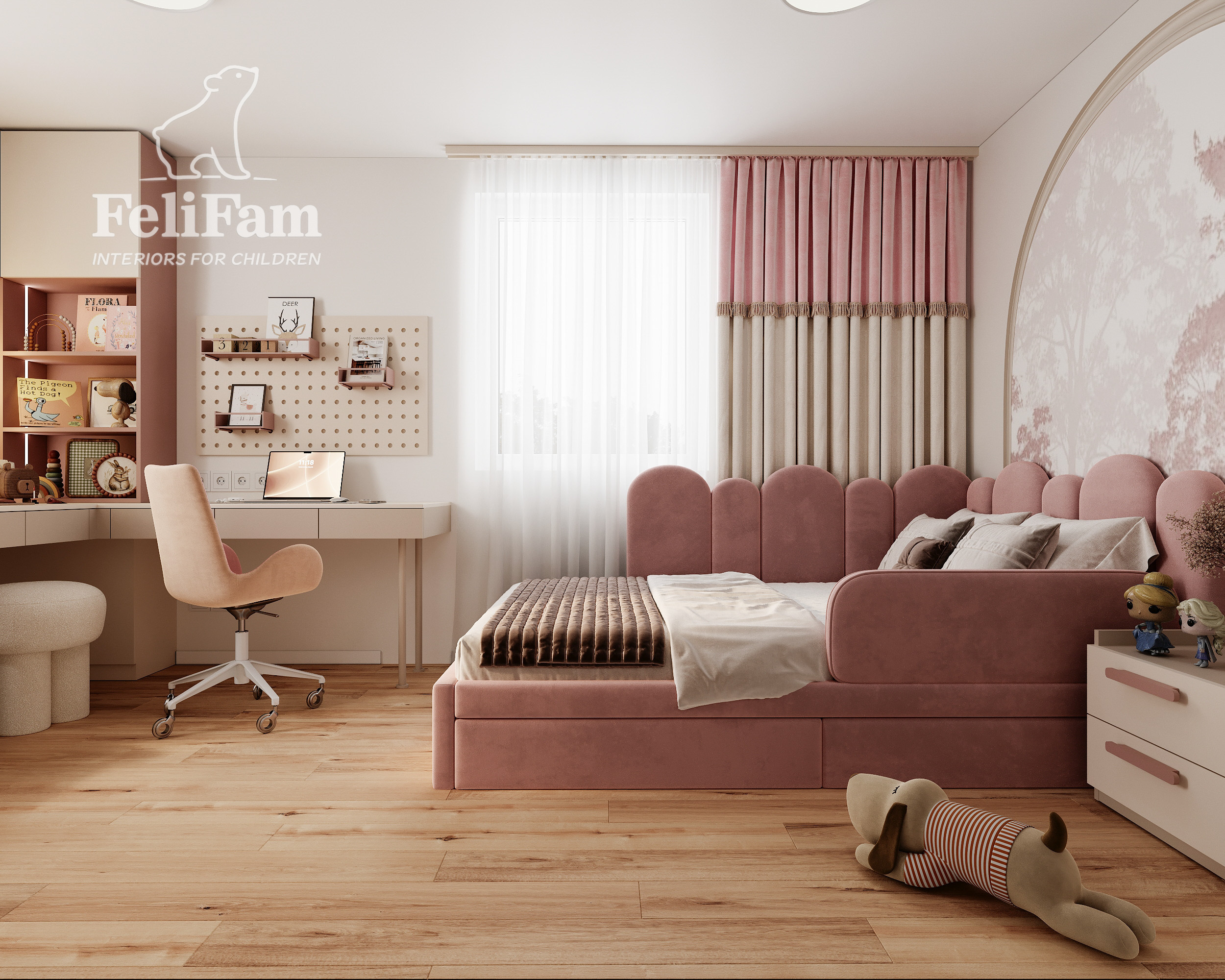
How to Help a Child Get Used to Their Own Room
Even when a child is ready for a separate space, it is unrealistic to expect them to immediately spend all their time there. The transition is usually easier when the room gradually becomes part of everyday life rather than feeling like a new rule or requirement.
One of the simplest ways to make a child feel more connected to the space is to involve them in the room design. They can choose bedding, a few decorative details, a place for favorite toys, or which books should be kept nearby. Parents do not need to hand over every decision, but having some control can help a child see the room as their own.
Start With Daytime Activities
If a child has rarely spent time independently before, there is no need to start by asking them to stay in the room all night. Begin with familiar activities such as reading books, playing, drawing, building with blocks, or doing a favorite hobby.
This helps the room become associated with positive and familiar experiences. Parents can gradually increase the amount of time the child spends there, paying attention to how comfortable they seem.
Keep Familiar Things Around
There is no need to change everything at once. A favorite toy, familiar books, a blanket, or other everyday belongings can make a new room feel more comfortable.
This can be especially helpful for younger children, who may react strongly to major changes. Familiar objects create a sense of continuity even when the surroundings are new.
Make the Room Easy for the Child to Use
A child should not only have their own room but also be able to use it independently. Toys, books, and some clothing should be stored at an accessible height that is appropriate for the child’s age.
Thoughtful storage can also make it easier to keep the room organized. When different categories of belongings have clear places, children can gradually learn to put things away after playing and take more responsibility for their own space.
Do Not Force the Child to Sleep Alone Immediately
If a child already has their own room but does not want to sleep there at night, it does not necessarily mean that something is wrong. Using the room during the day and sleeping there independently can be two separate stages of the transition.
Continue spending time in the room during the day, create a calm and familiar bedtime routine, and allow the child to develop a positive connection with the space. When they are ready, moving toward independent sleep can become much easier.
The goal is not to teach a child to stay alone as quickly as possible. What matters more is creating a space that feels familiar, comfortable, safe, and inviting.
What to Do If Your Child Does Not Want to Sleep in Their Own Room
If a child does not want to sleep in their own room, the first step is to understand why. They may be afraid of the dark, uncomfortable with the new environment, want to be close to their parents, or simply have experienced a transition that happened too quickly.
To make the transition to independent sleep easier, parents can:
- Spend more time in the room during the day. Read, play, draw, or do other familiar activities together.
- Let the child choose some details. For example, bedding, a night light, decorations, or where favorite toys should be kept.
- Keep familiar belongings nearby. A favorite toy, book, or blanket can make the new environment feel more comfortable.
- Keep a familiar bedtime routine. Bathing, reading, or having a quiet conversation can make bedtime more predictable.
- Avoid expecting the child to stay alone all night immediately. If the transition is difficult, take it step by step.
- Think about the lighting. If the child is afraid of the dark, a soft night light may help them feel more comfortable.
- Check the room conditions. Temperature, noise, lighting, and the comfort of the bed can all affect how a child feels in the space.
- Ask the child what they do not like about the room. This is especially useful for school-age children and teenagers who can often explain their preferences and concerns clearly.
There is no need to try every approach at once. It is more useful to understand what is causing the discomfort and start there.
If an older child used to sleep comfortably in their own room but suddenly starts avoiding it, it is worth paying attention to recent changes in their life, routine, or wellbeing. In some cases, reluctance to sleep alone may be related to something outside the room itself.
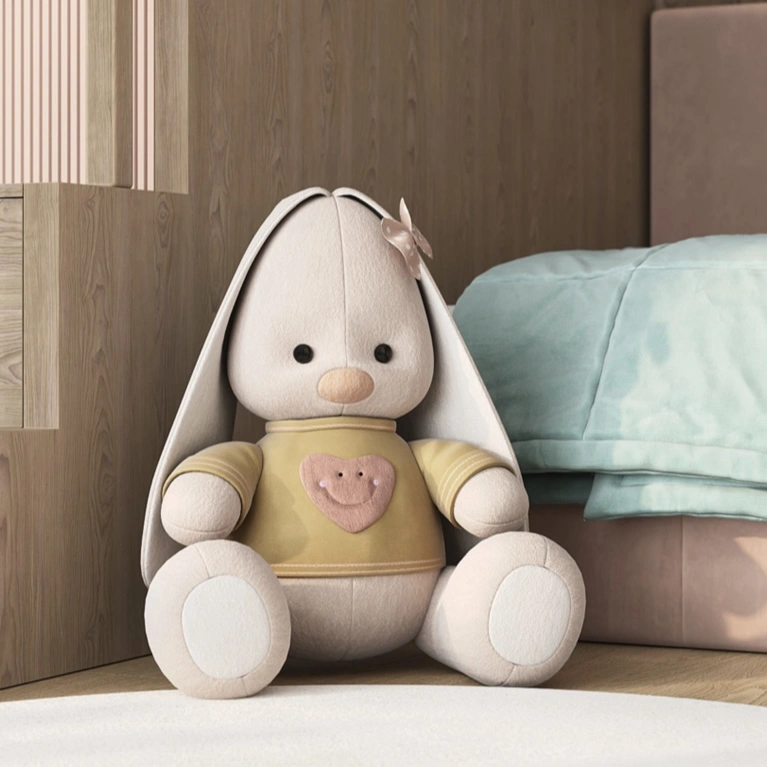
Designing a Children's Room That Grows With Your Child
A well-designed children’s room should not only look beautiful today. It should also be able to adapt as the child grows. The needs of a toddler, school-age child, and teenager are different, so the room should allow for gradual changes without requiring a complete redesign every few years.
Large furniture pieces and storage systems can be planned with the future in mind, while elements such as textiles, posters, lighting accents, and decor can be changed more easily as the child’s interests develop.
It is also useful to think about how different areas of the room may change their purpose. A play area may later become a reading or study corner, while a small children's desk may eventually need to be replaced with a full-size study space.
This approach makes the children's room more flexible and helps create an interior that remains functional through different stages of childhood.
Conclusion
A child’s own room does not have to be connected to a specific age or a fixed moment when they are expected to “move out.” For some children, having a separate space feels natural during the preschool years. For others, the need for more privacy and personal space becomes much more noticeable during the school years or adolescence.
The most important thing is to consider the child’s age, personality, routines, and individual needs. A separate room can be introduced gradually, allowing the child to become familiar with the space at a comfortable pace.
At FeliFam, we believe that a children's room should be more than a beautiful and functional interior. It should be a space designed around the child — a place to play, dream, learn, relax, spend time alone, and gradually become more independent.
That is why every project is about more than how the room looks. We consider how the space will work in everyday life and how a child will feel in it as they grow.