





The teenage years are a period of active change, character development, and the pursuit of self-expression. A room becomes a space for studying, relaxing, socializing with friends, and enjoying hobbies. That’s why designing rooms for teenagers requires a particularly thoughtful approach: the space should be comfortable, functional, and at the same time reflect the teen’s individuality.
It’s important for the interior to remain relevant not only today but also in the coming years as interests and lifestyles evolve. At FeliFam studio, we have years of experience in designing and implementing interiors — from children’s bedrooms for all ages to playrooms and HoReCa spaces. Based on this experience, we can share ideas and tips on how to make rooms for teenagers stylish and future-proof.
What a room for teenagers should include: key needs
A teenager’s room is no longer just a child’s bedroom, but a personal world that fosters comfort, freedom, and a sense of ownership. Here, the teen can grow, dream, and find daily inspiration. Therefore, the interior should consider the teenager’s lifestyle, interests, and need for a harmonious personal environment.
Study area
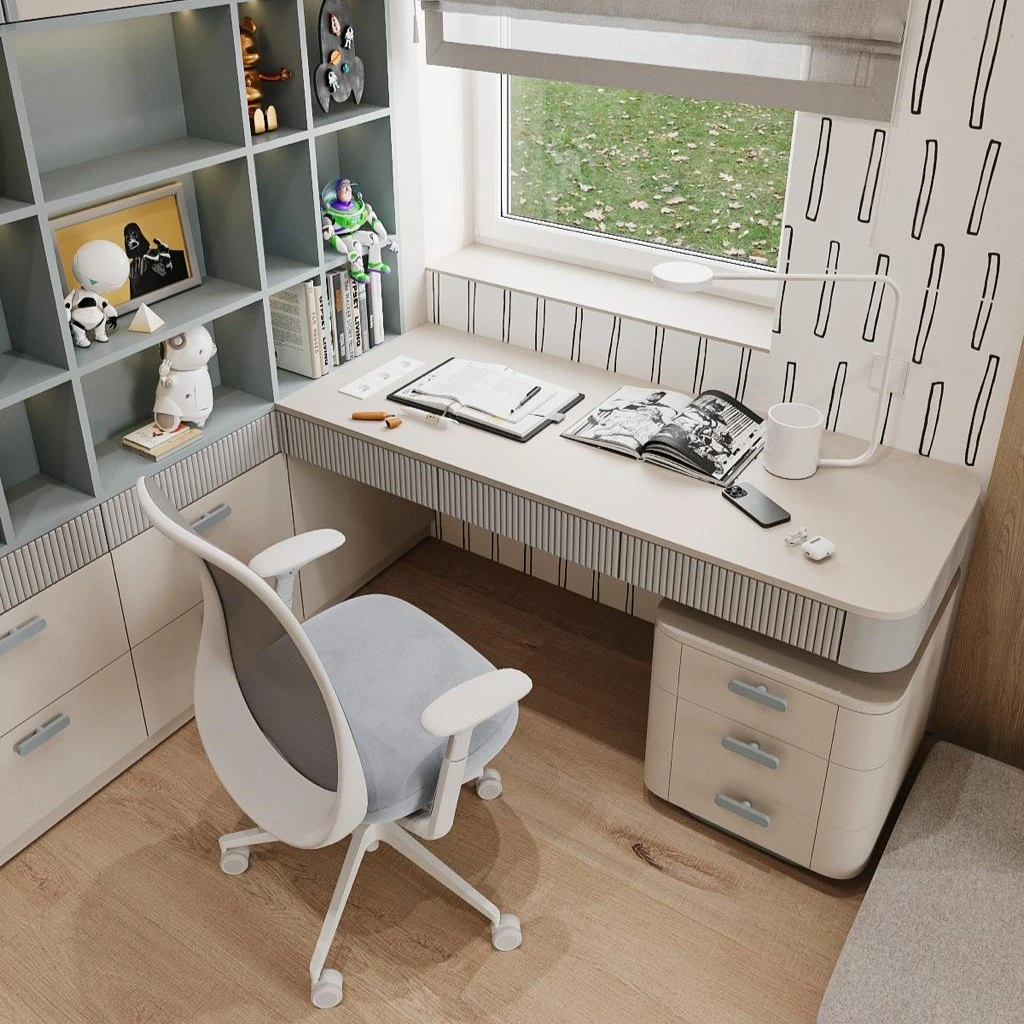
Effective studying starts with a properly organized desk: the table height should match the child’s elbow level, and there should be at least 70–80 cm of free space in front for comfortable movement. Place the desk so that natural light comes from the side, and use a desk lamp that provides soft, glare-free lighting on notebooks and screens. Additional shelves, organizers, and drawers help keep textbooks and stationery neatly arranged, supporting focus during study sessions.
Comfort zone for relaxation
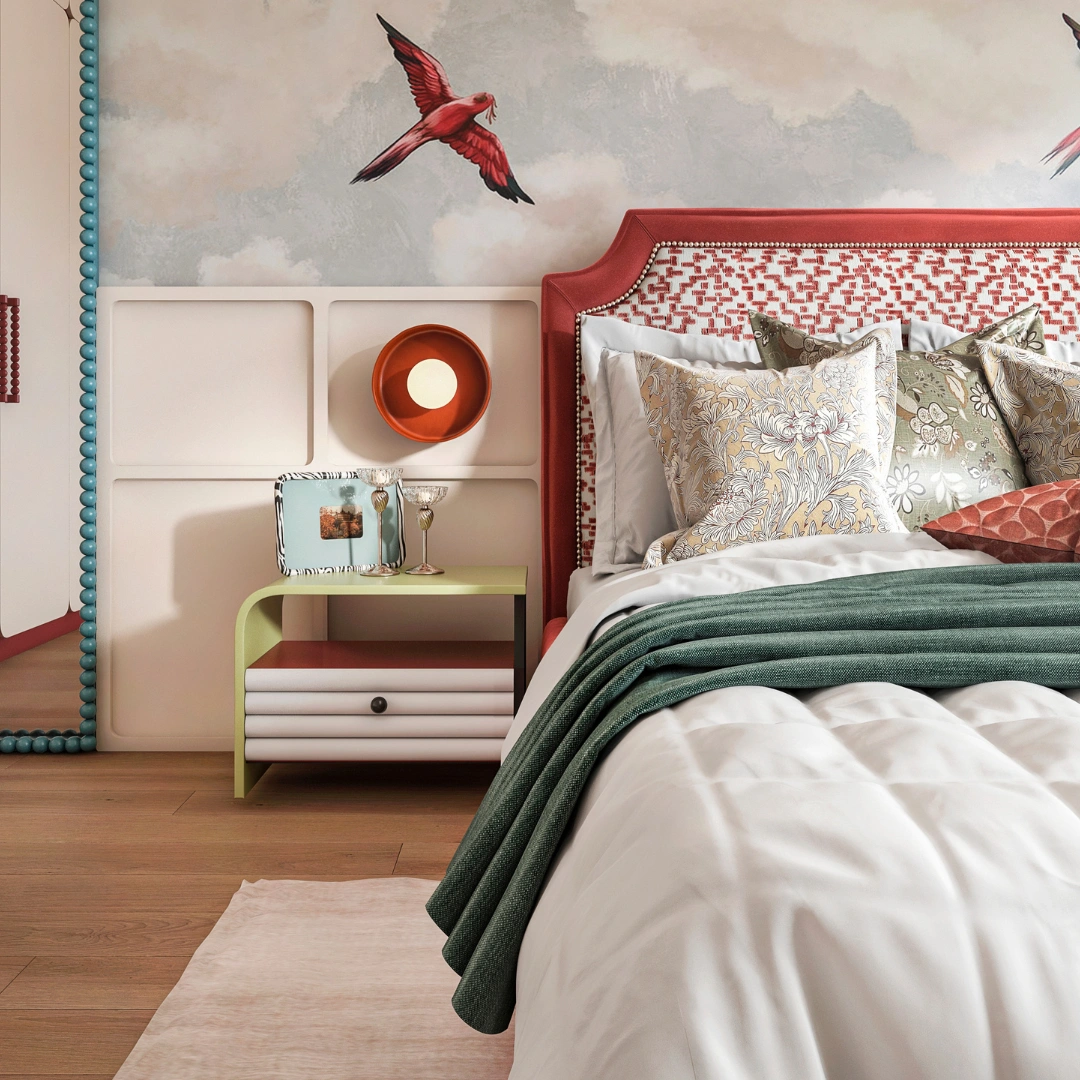
The relaxation area should provide full recovery after studying and active days. A quality bed with an orthopedic mattress is essential to support proper spine alignment and promote healthy sleep. The optimal bed width is 120 cm to ensure comfort during growth spurts. Lighting is also important: choose soft, warm light (2700–3000K) for the relaxation zone to avoid eye strain and help the body transition to rest. Layered lighting works well — ceiling light combined with wall lamps, reading lamps, or hidden LED strips at the headboard.
Hobby and interest area
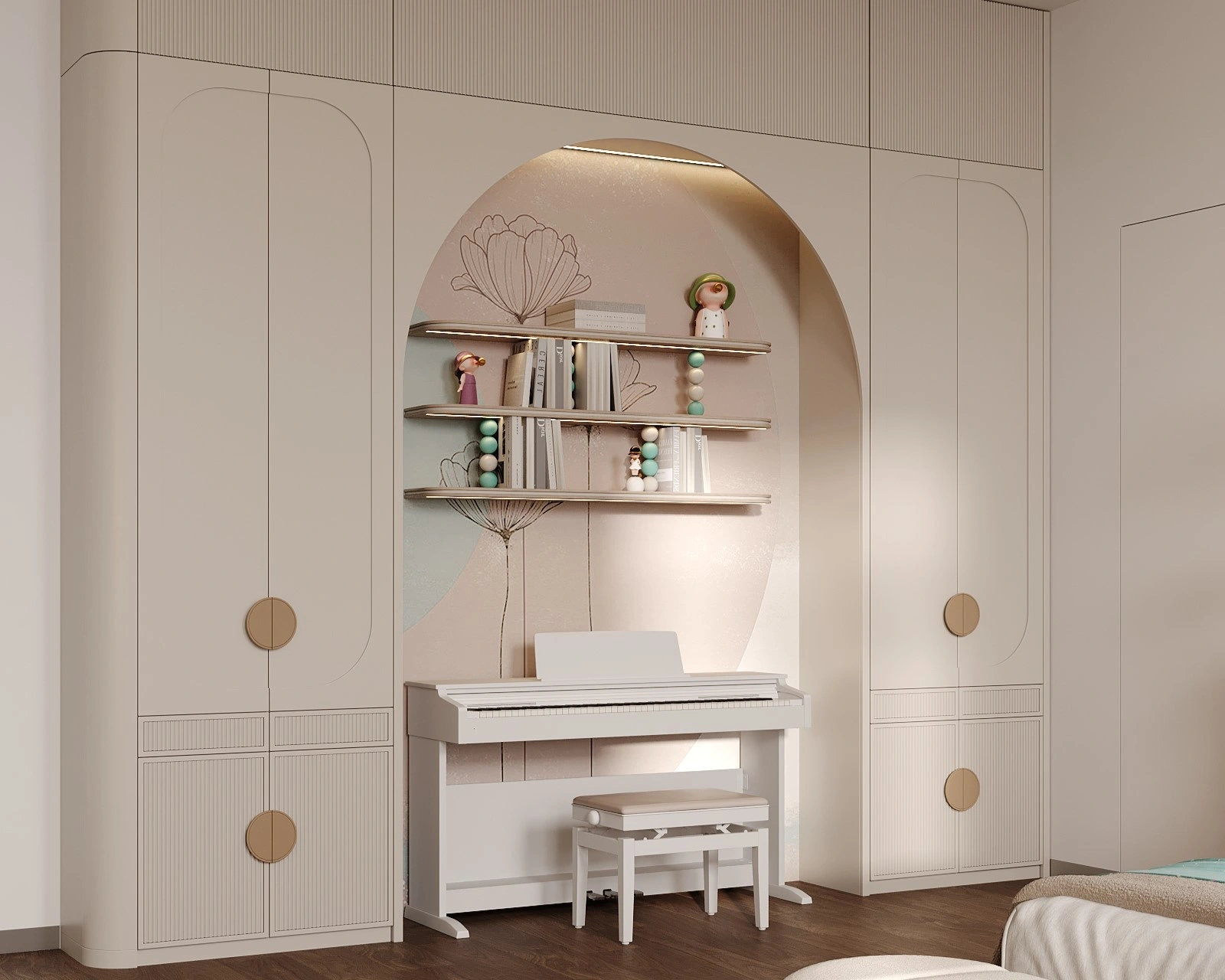
It’s important to have a dedicated space for hobbies: creativity, music, reading, gaming, or sports. For active teens, integrate a small sports area — pull-up bars, gym rings, or a climbing wall. Creative children may need a piano niche, a dedicated drawing desk, or even a small stage or podium for home performances.
Adequate storage space
A teenager’s room needs an efficient storage system. A combination of open and closed shelves works best: closed compartments for items that need to be hidden, open shelves for books, décor, and personal items. Decorative lighting adds depth and highlights the storage area. If space allows, consider a wardrobe or walk-in closet with thoughtfully arranged rods, shelves, and drawers to organize belongings and maintain order.
Ideally, allocate 1–1.5 m² of shelving and drawers per teen to keep clothes, books, and hobby items organized and easily accessible.
Sense of personal space
To truly reflect the teen’s personality, add elements that help personalize the room. These could be open shelves for LEGO collections, trophies, or awards. Personalized LED signs with names or favorite phrases can add character. Accent walls and textiles — pillows, throws, or rugs — can reinforce the room’s color scheme and overall style.
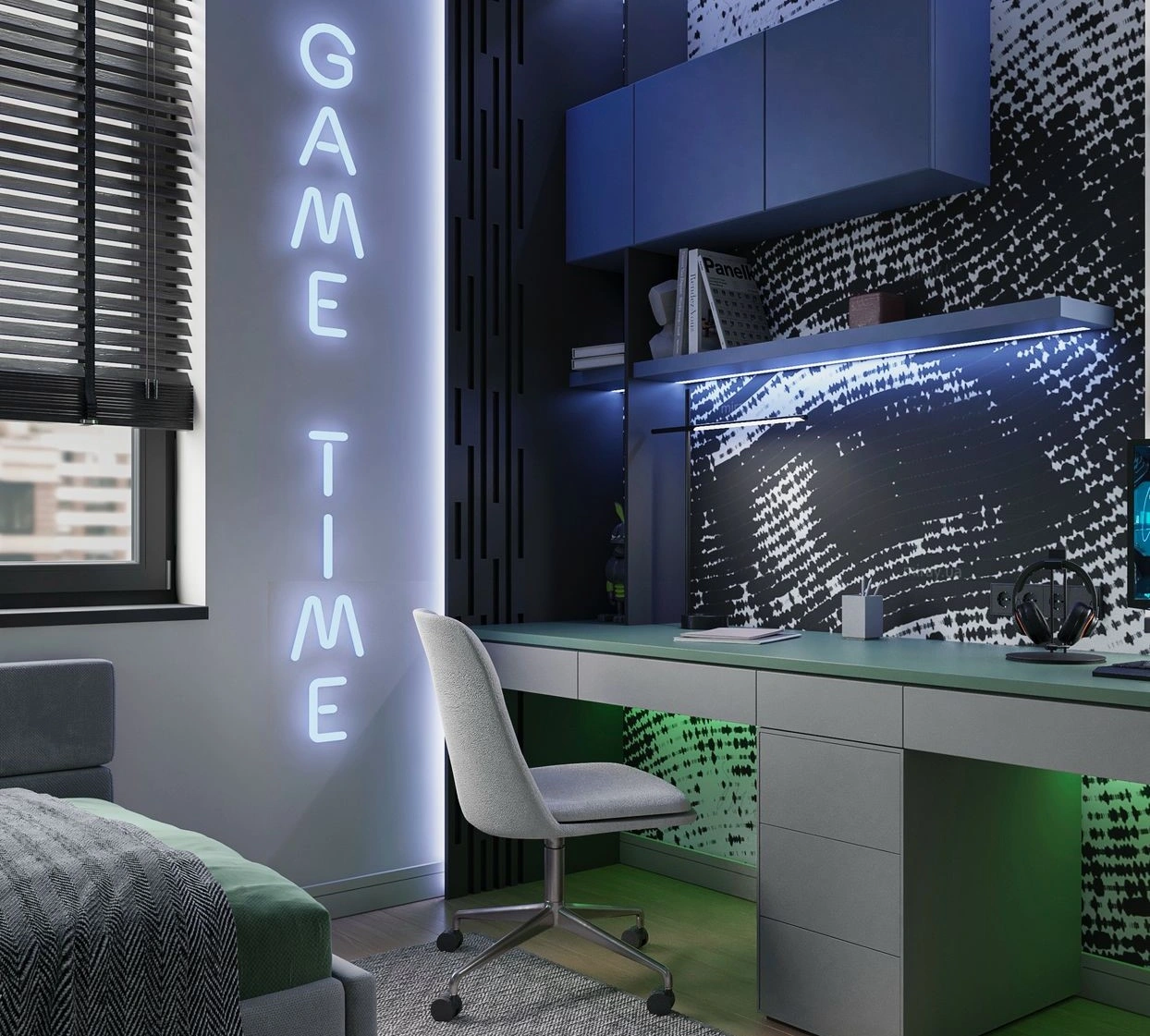
Creating a harmonious and convenient space is easier when the interior is planned as a unified system. In this context, custom furniture allows for efficient use of space, combining study, relaxation, hobby, and storage areas, and adapting the room to the teen’s lifestyle and interests.
Rooms for teenage girls: design ideas
A teenage girl’s room can combine various styles, colors, and decorative solutions — from soft pastel interiors to modern minimalist spaces. At this age, the room is not only for rest and study but also a place for self-expression. Accent walls, decorative lighting, textiles, open shelves for décor or collections, and personalized elements add character. The design should remain relevant for several years and adapt easily as interests evolve.
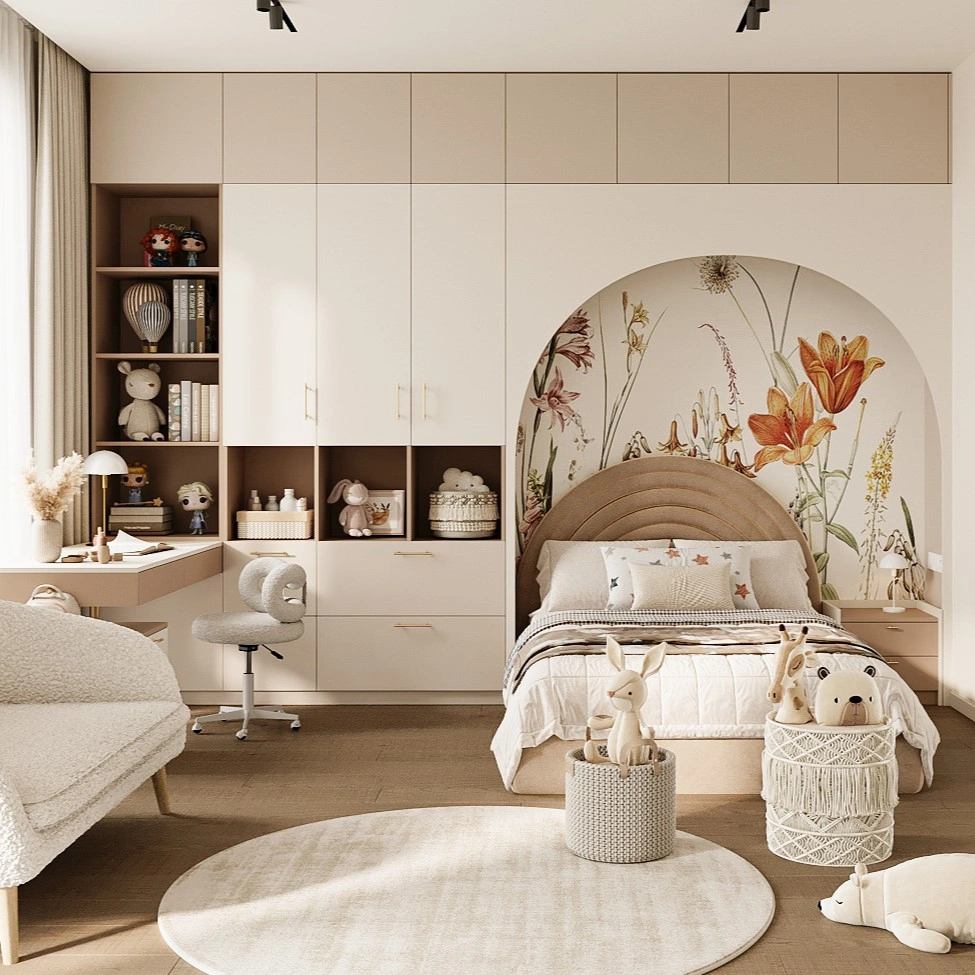
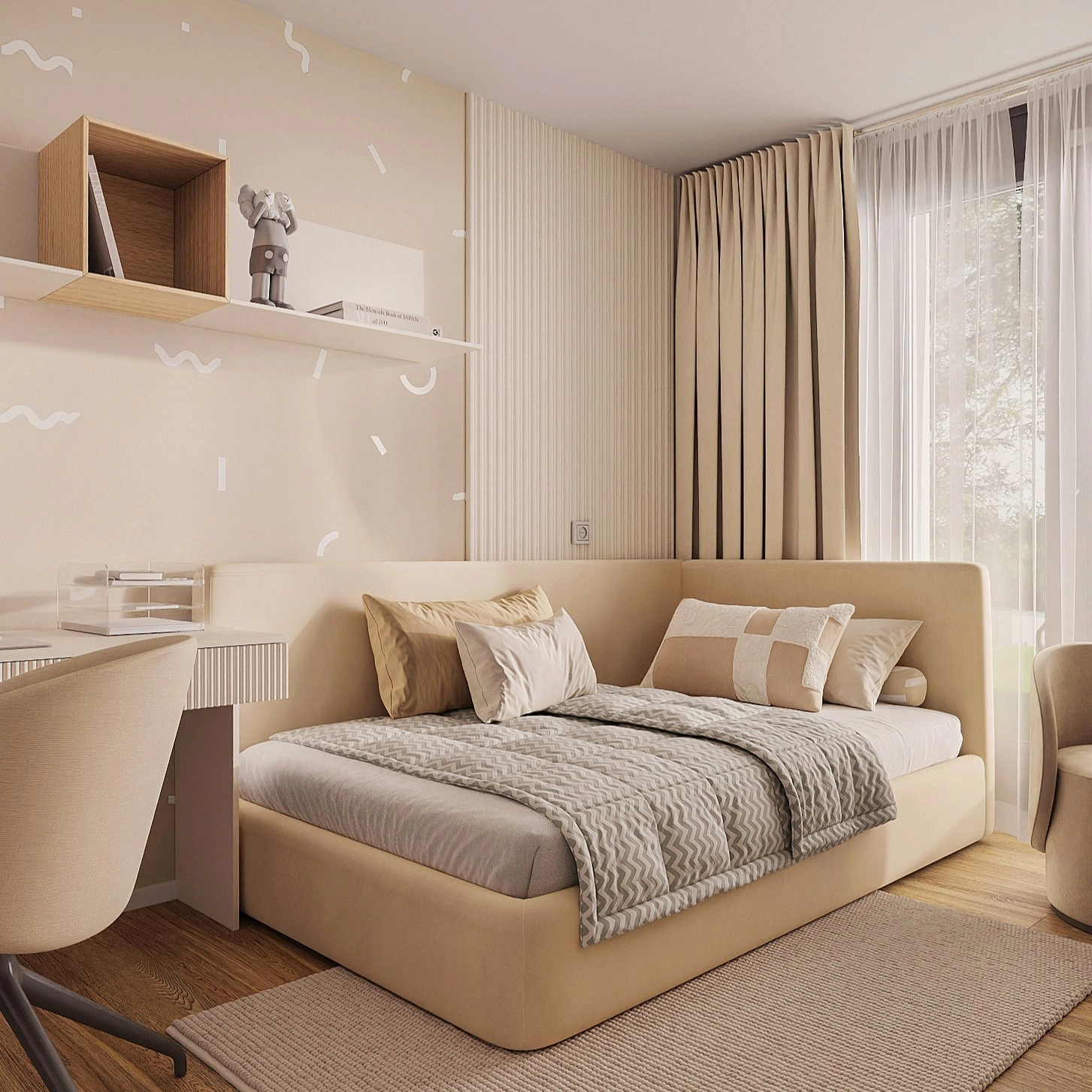
Examples of teenage girls’ rooms with compact beds
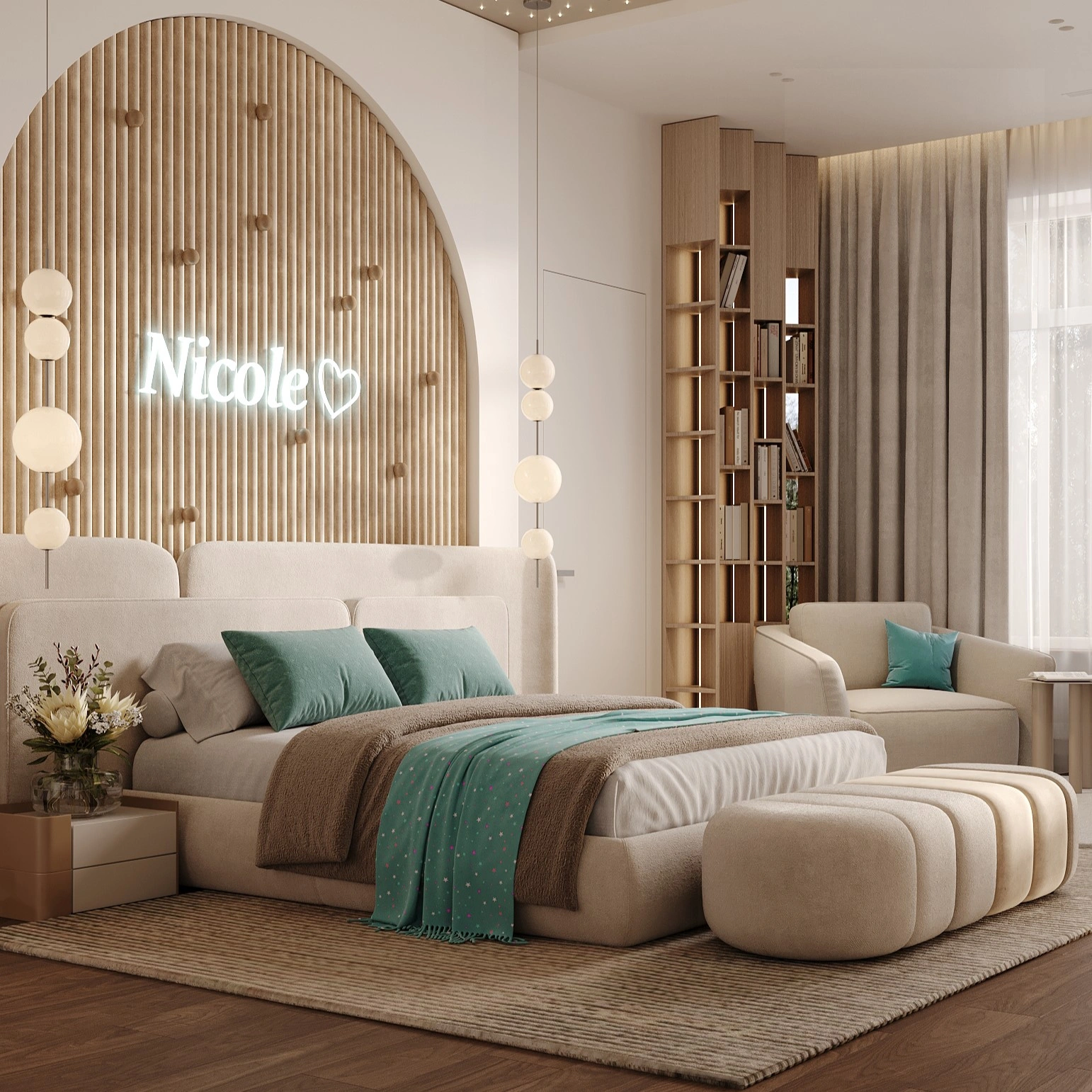
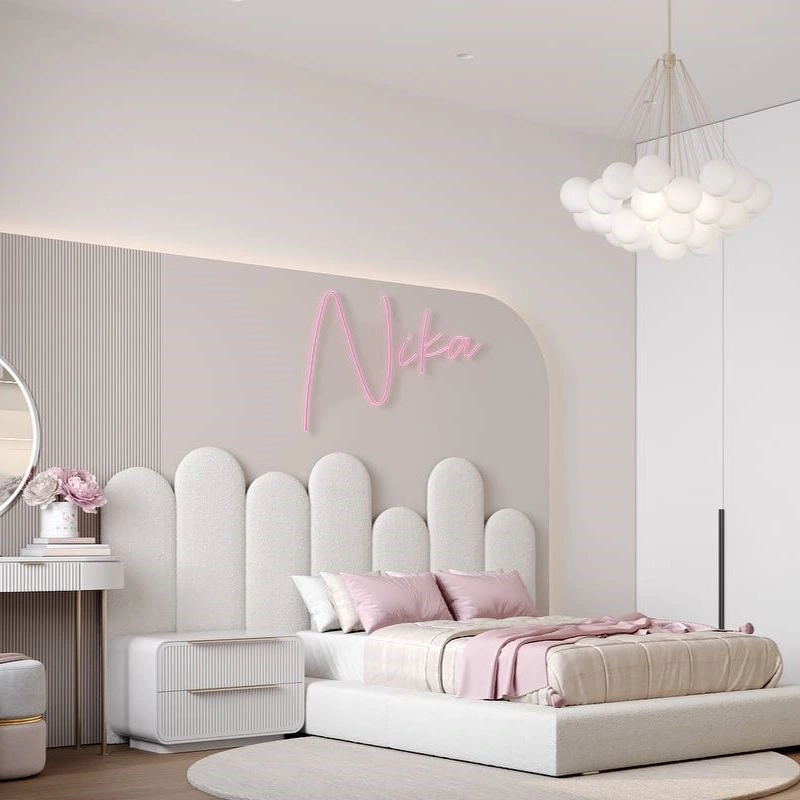
Design ideas for teenage girls’ rooms with large beds
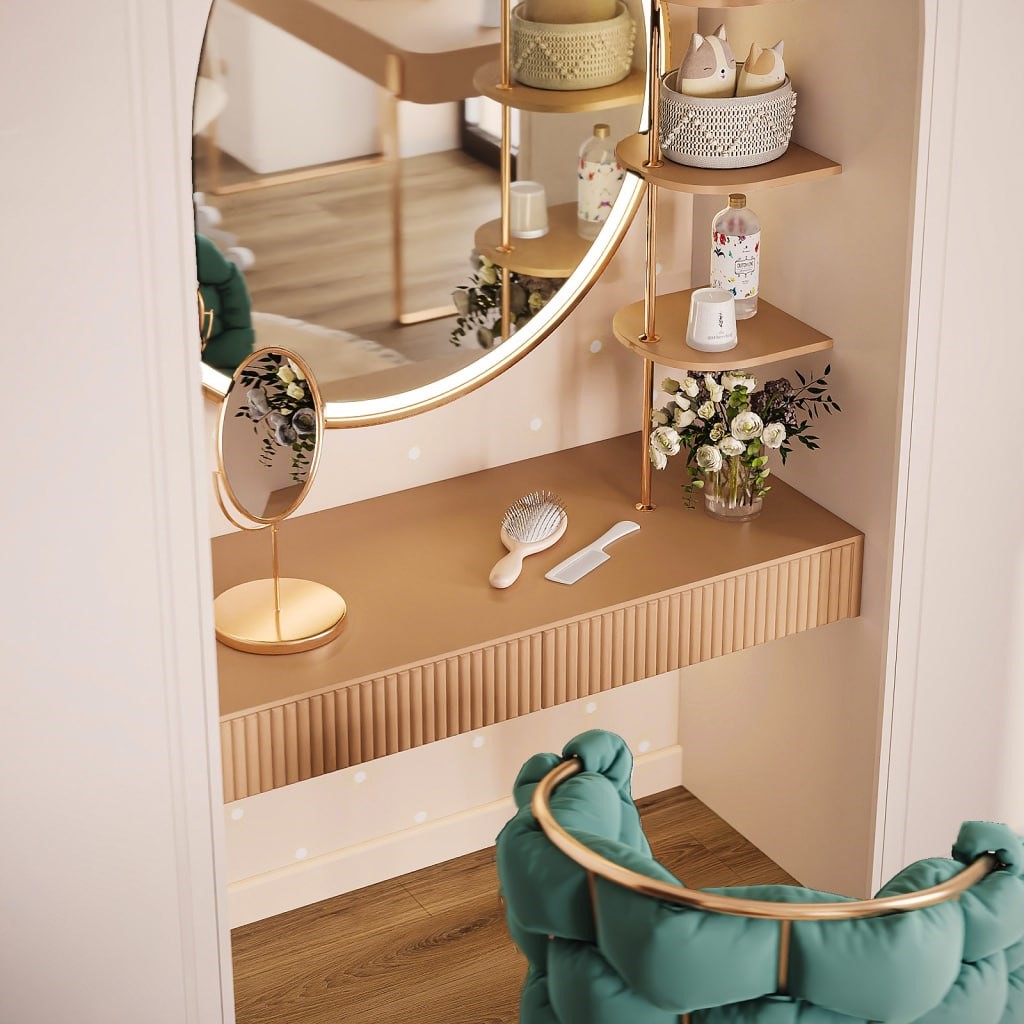
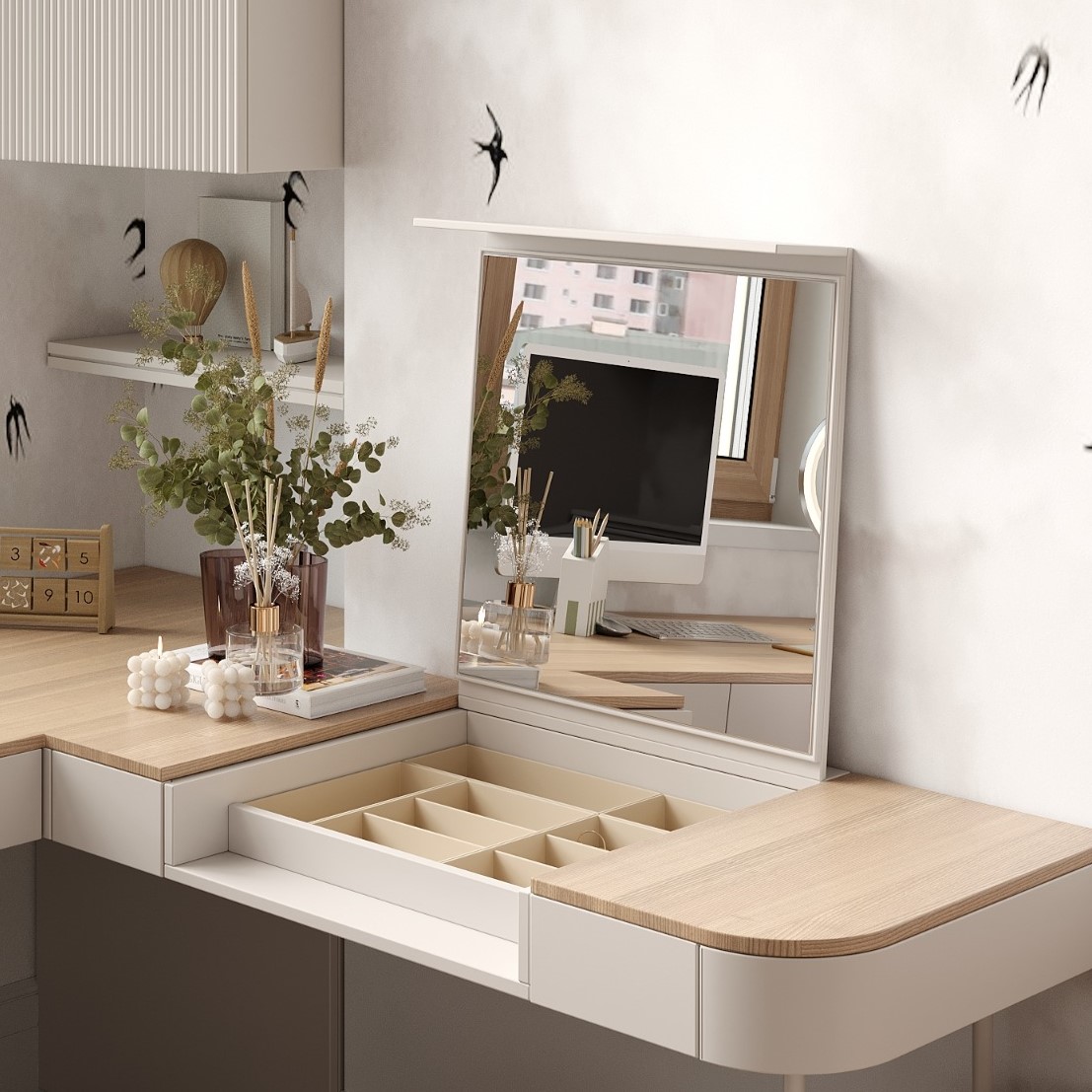
Ideas for a functional vanity in a teenage girl’s room
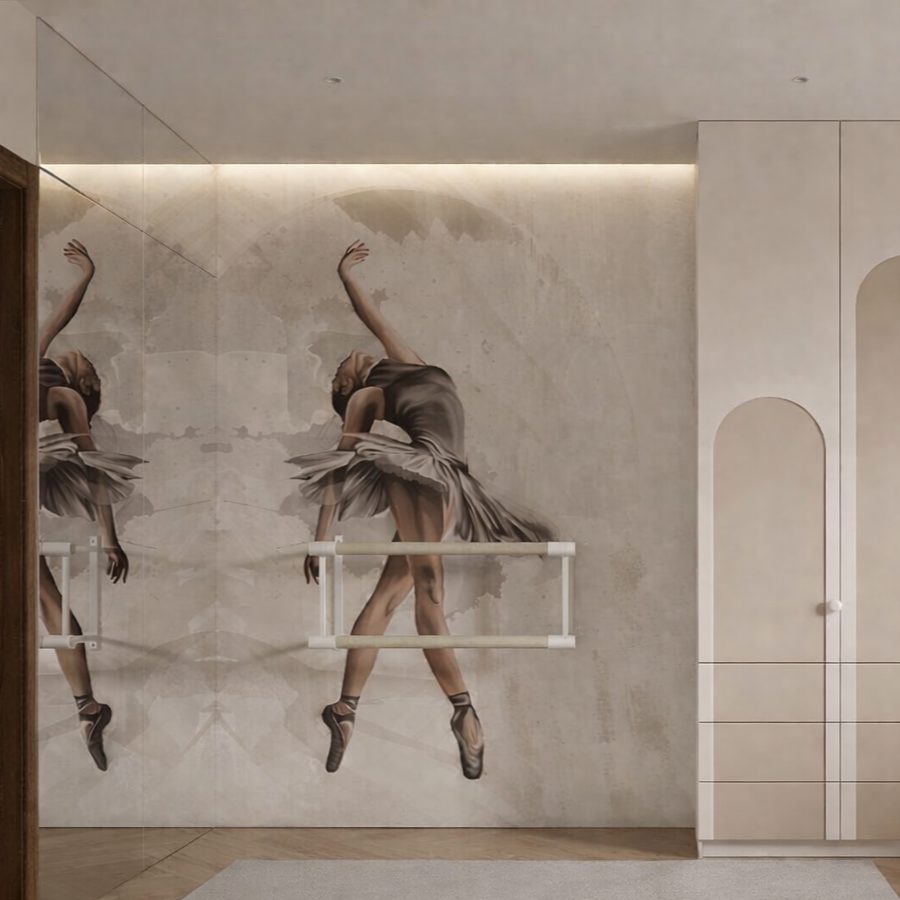
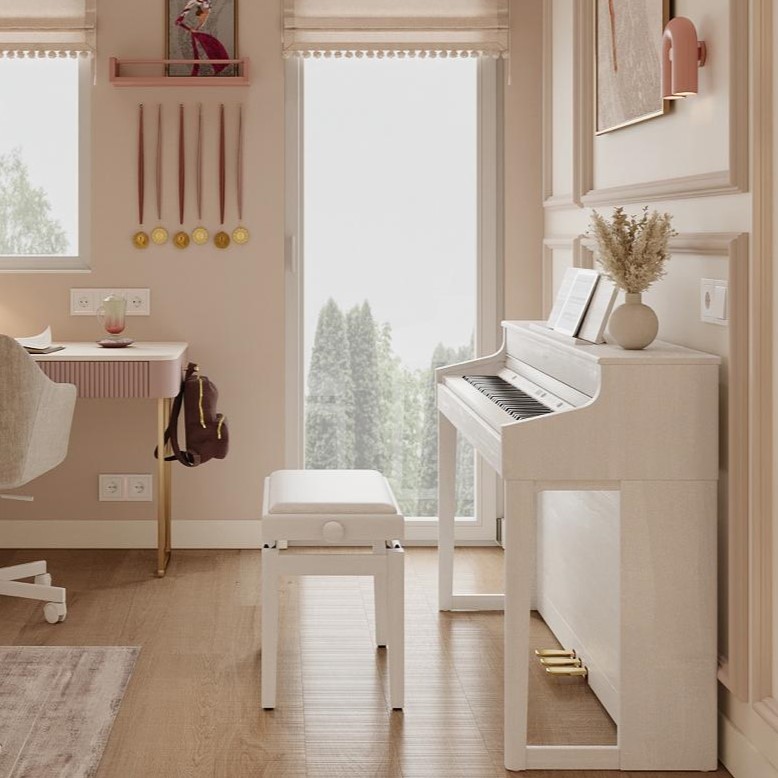
Consider the teen’s hobbies when planning the design
Rooms for teenage boys: practical solutions
A teenage boy’s room usually has a more concise and functional character. Interiors often feature a restrained color palette, practical materials, and clear geometric forms. Include a convenient study area, sufficient storage, and space for activities — such as sports equipment or a gaming area. This approach helps create an interior suited to a teen’s dynamic lifestyle.
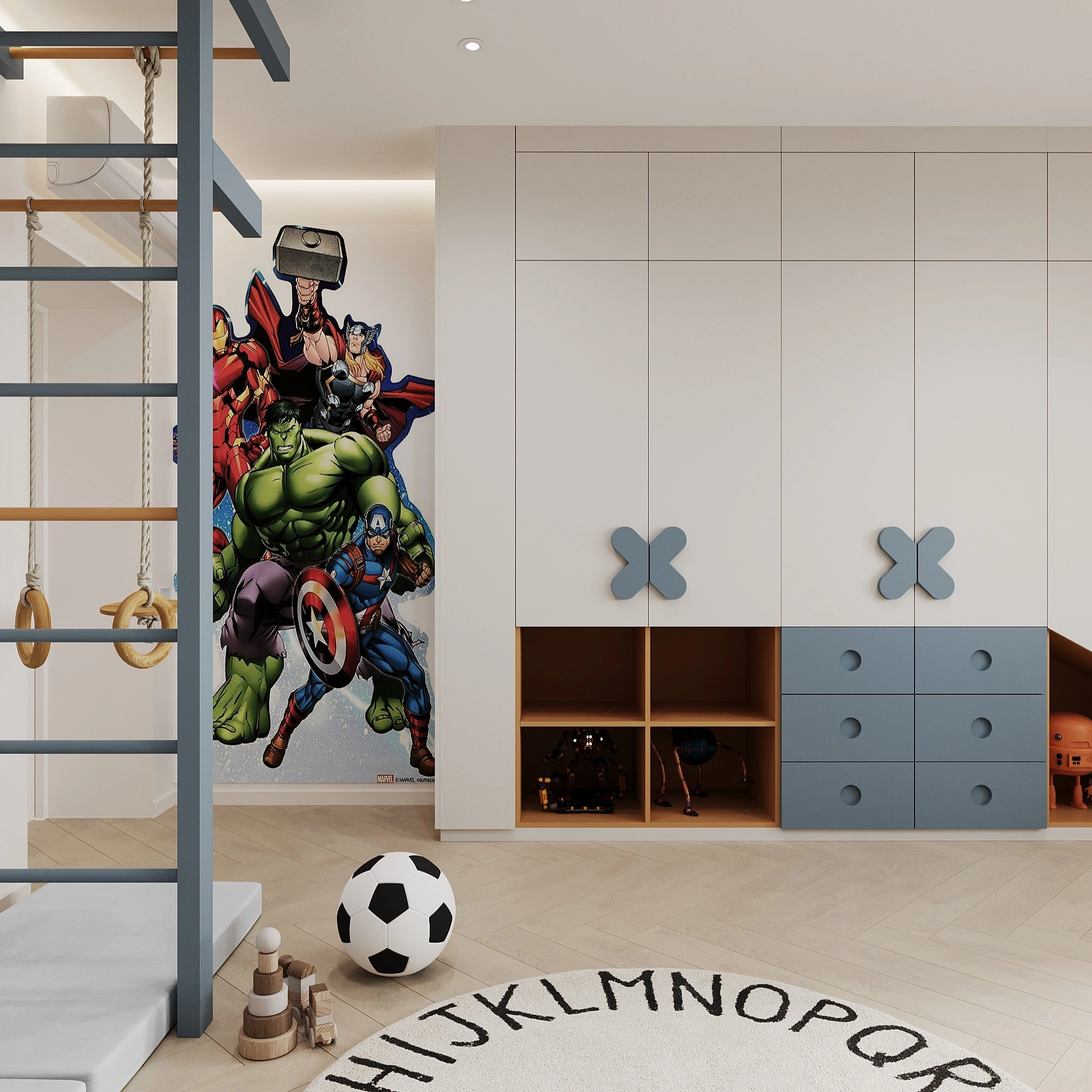
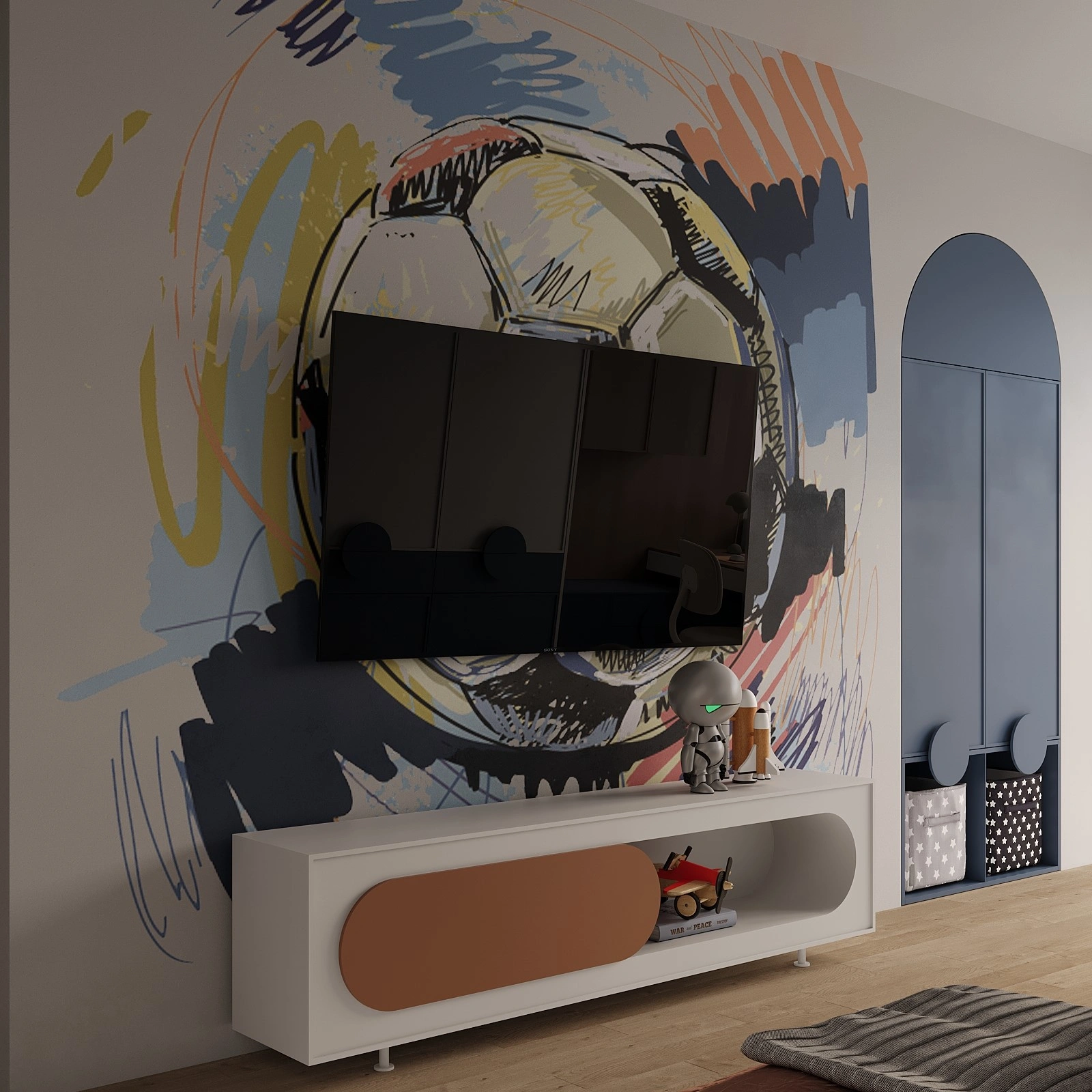
Even a minimalist teenage room can have character
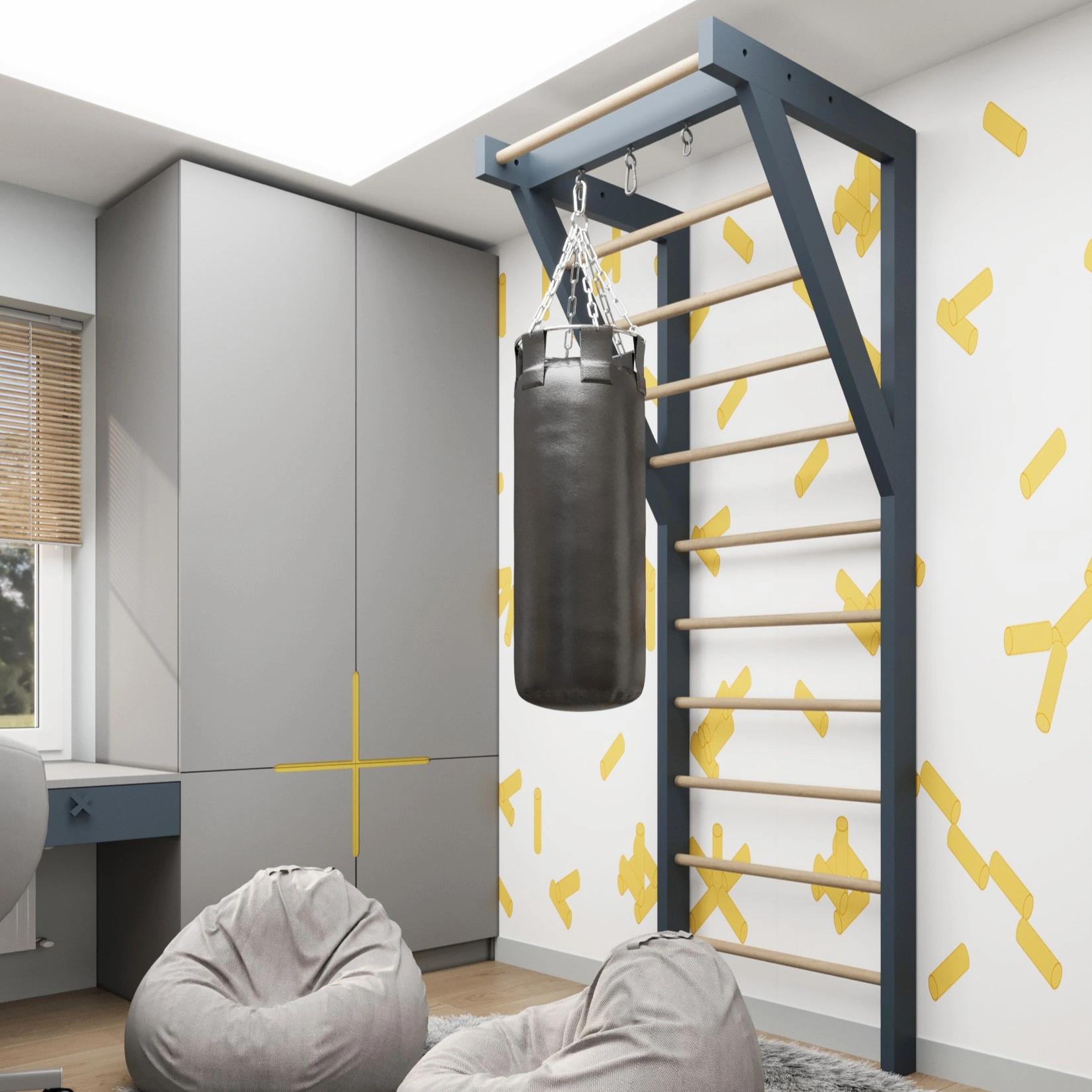
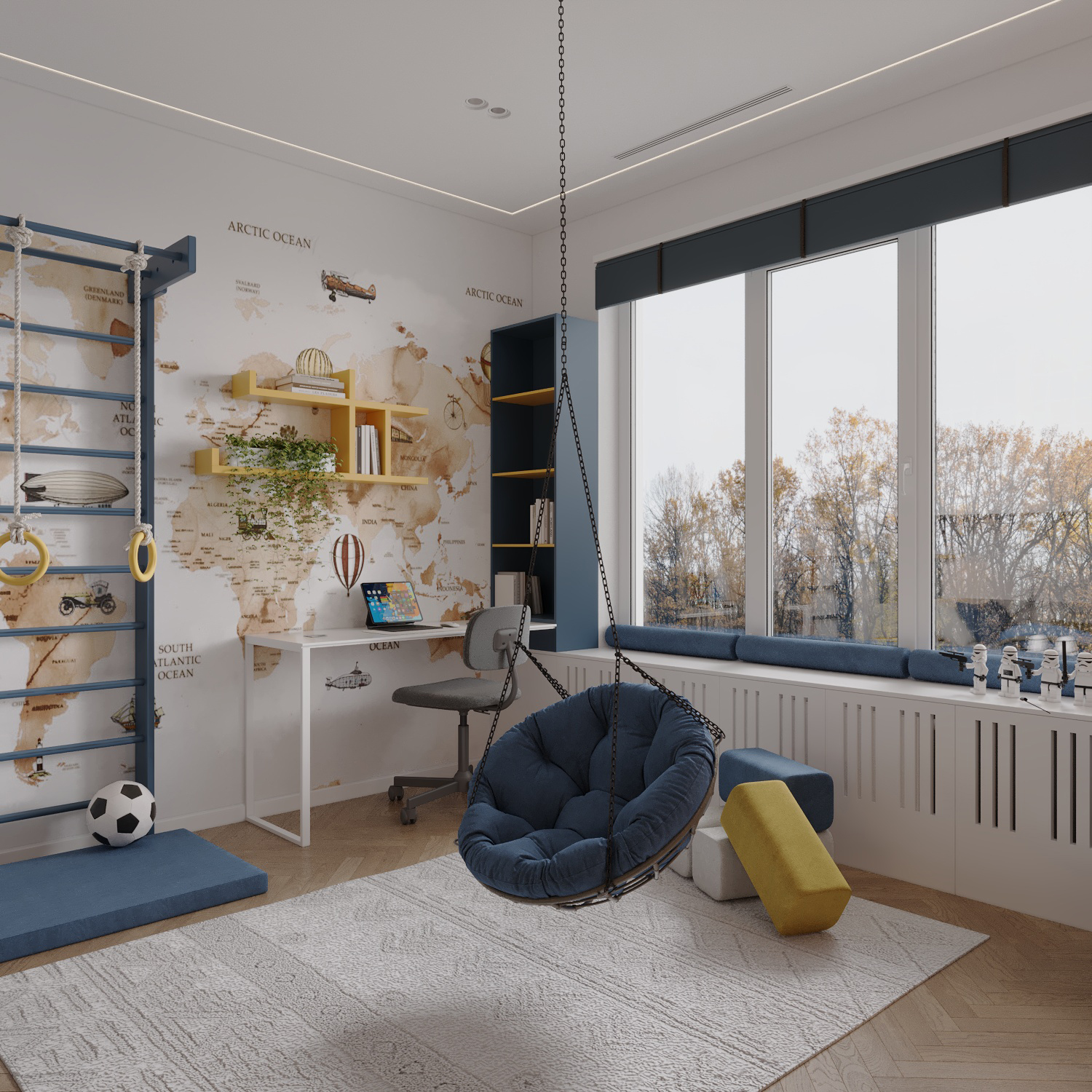
Examples of a sports area in a teenage boy’s room
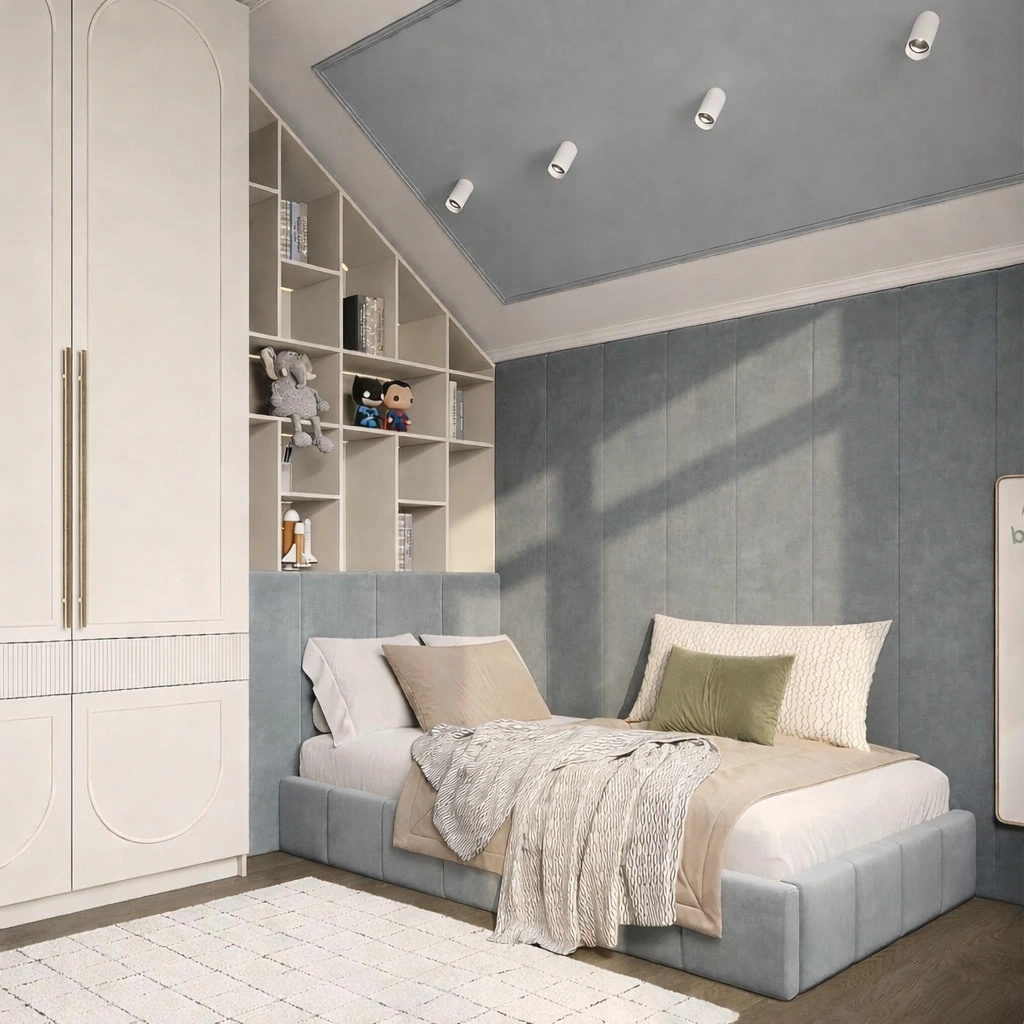
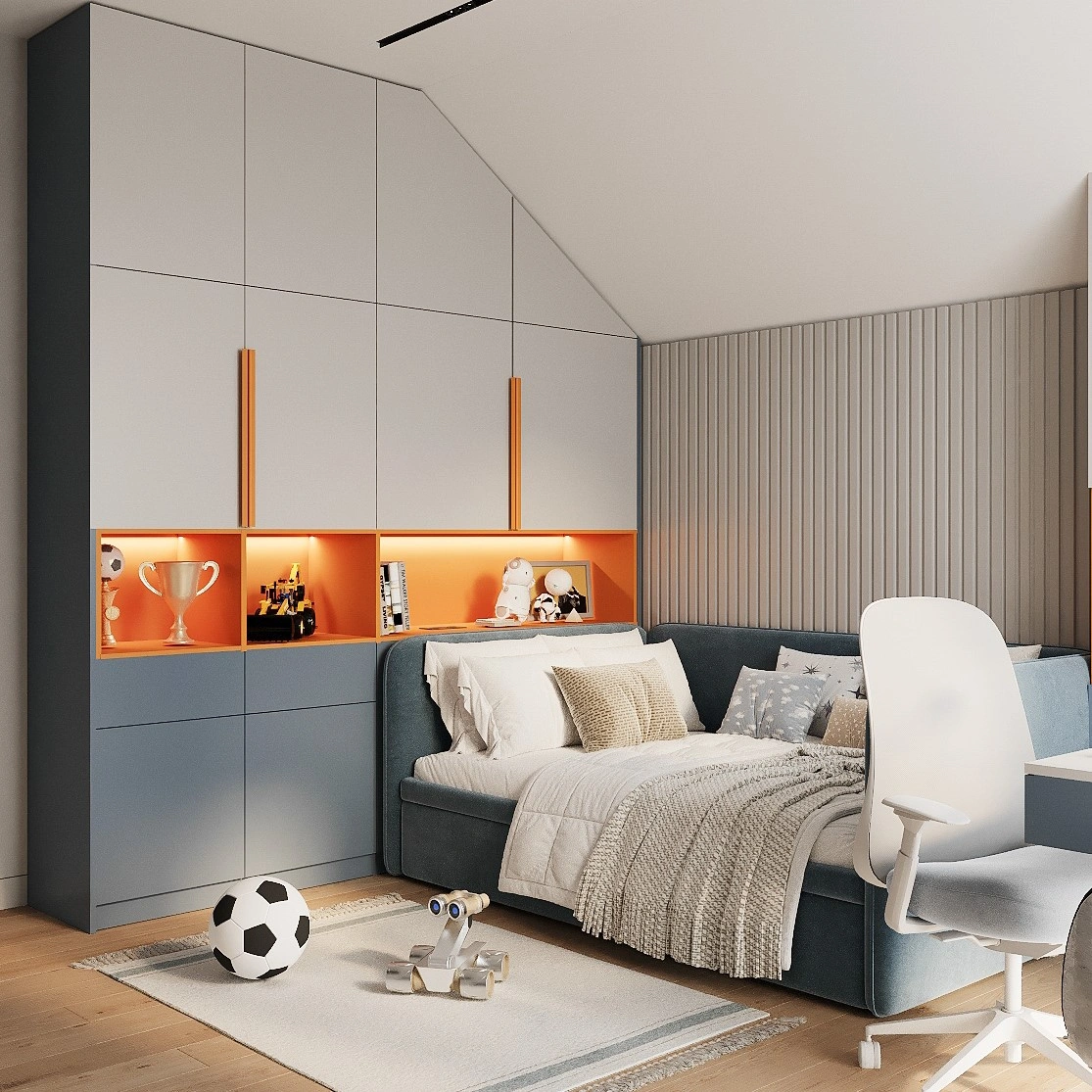
Ideas for designing a teenage boy’s bed space
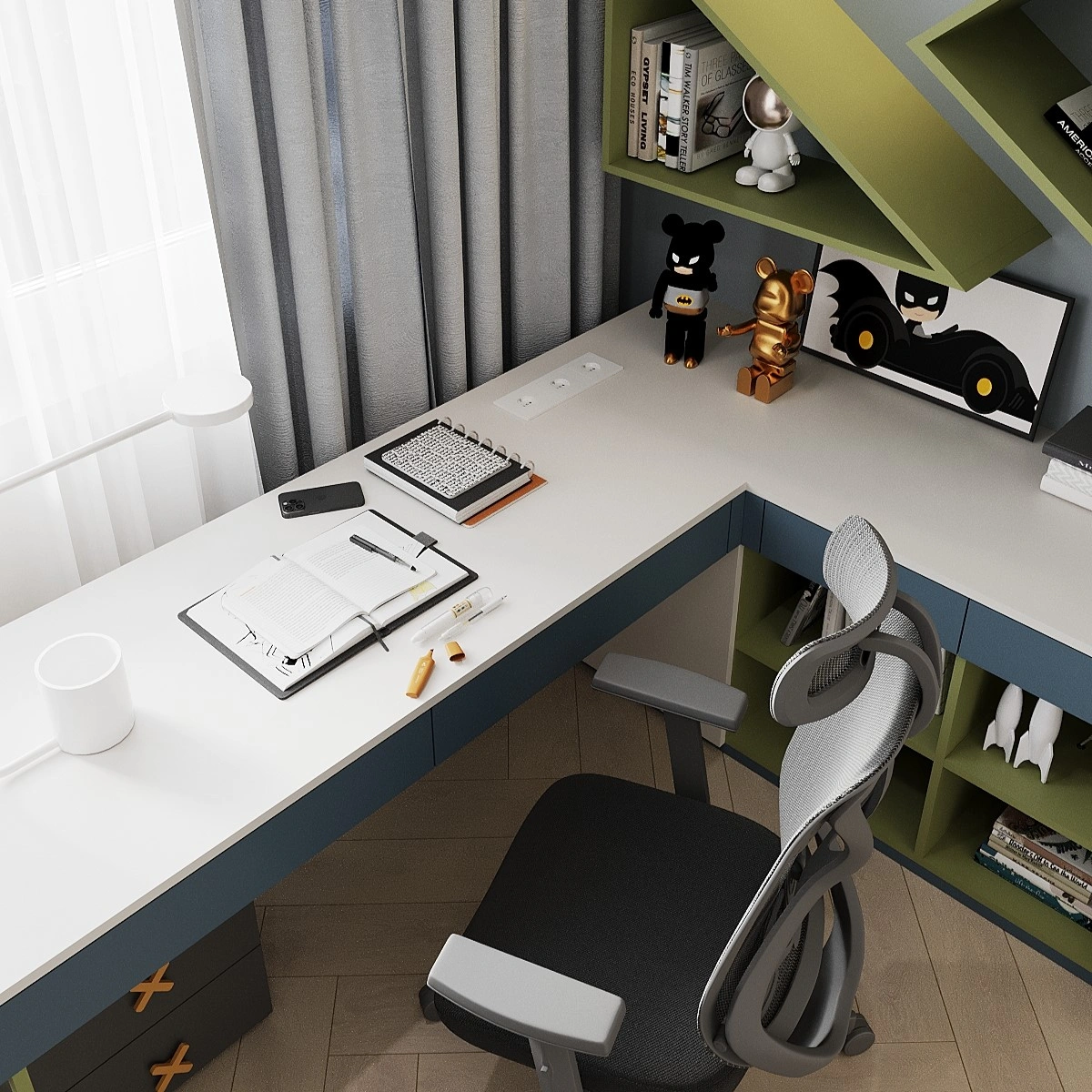
Examples of a stylish teenage boy’s study area

