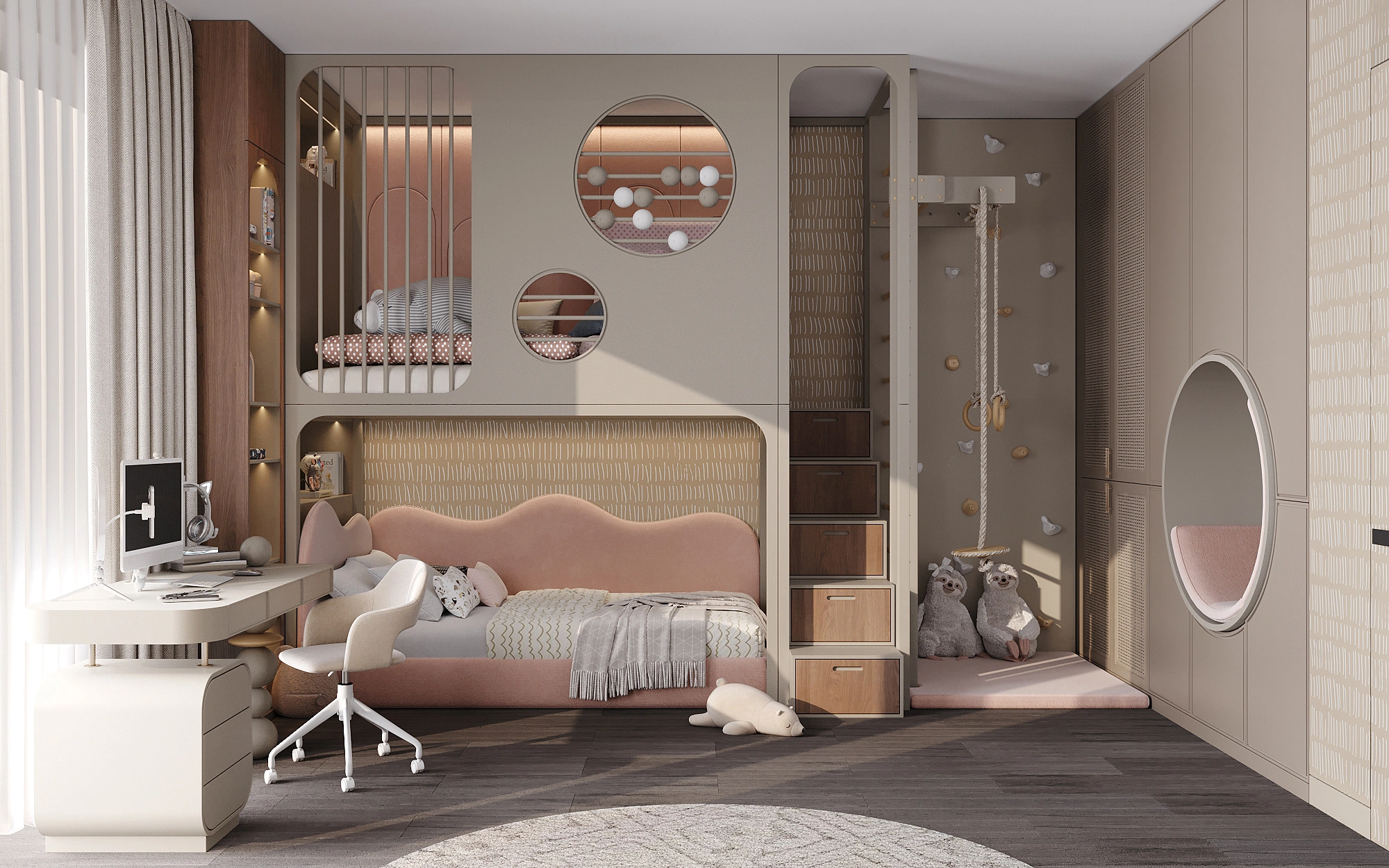



The new school year marks a transition from the carefree rhythm of summer to more structured everyday life. For some children, classes have already started, while others are only getting ready to return to school in the coming days or weeks. Either way, daily routines begin to change: early mornings, lessons, homework and new responsibilities become part of everyday life again.
That is why even a child who has missed their friends and is excited to see them again may feel some anxiety when returning to school. Changes in routine, new expectations, teachers, classmates and uncertainty about the school term ahead can all create additional pressure. The American Psychological Association notes that going back to school can be a stressful period for children, and that concerns about the unknown, new teachers, classmates or challenging schoolwork can add to that stress.
Making this transition easier is not only about conversations and gradually returning to a routine. The atmosphere at home matters too. When a child has a space where they can study comfortably, relax, keep their belongings organised and simply have some time to themselves, settling into a new routine can feel calmer and more predictable.
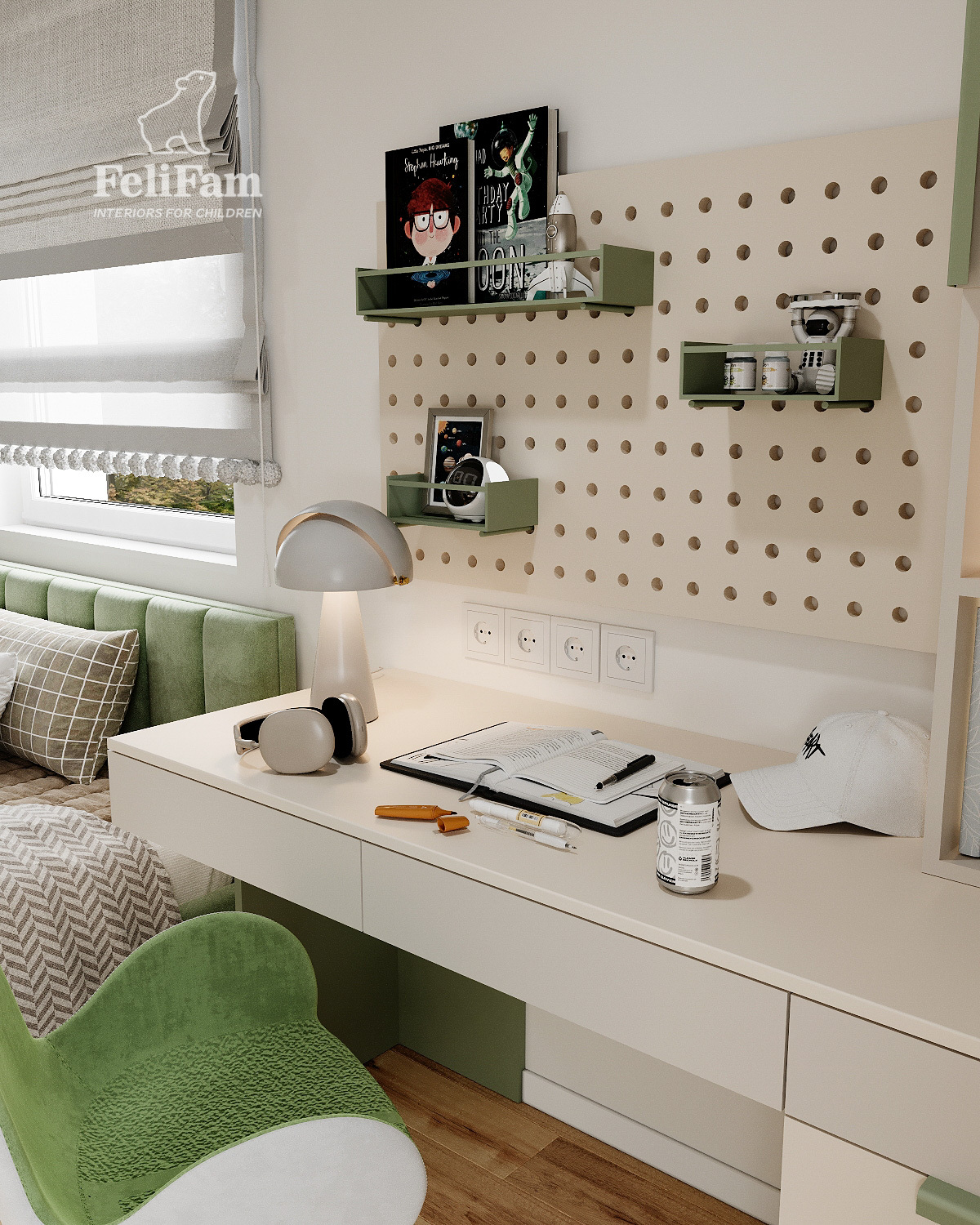
Clear Out the Unnecessary and Keep What Matters
Over the summer, children’s rooms can gradually fill up with things they no longer need: clothes they have outgrown, old notebooks and school supplies, toys they no longer play with, and all kinds of small items scattered across shelves and drawers. The start of a new school year is a good opportunity to take another look at the space and clear out what is no longer needed.
There is no need to turn it into a major cleaning project. Instead, walk through the room together with your child and look at what they actually use. Check the desk, drawers, shelves, wardrobe and toy storage. Things that are no longer needed can be set aside, passed on to younger children or repurposed.
It is also worth making room for school essentials. Textbooks, notebooks, stationery and a school bag should each have a designated place, preferably somewhere the child can easily reach and return things to independently. If the school year has already started, this kind of organisation can make it easier to settle into the new routine and keep the room tidy throughout the year.
This way, the room can gradually shift from a summer rhythm to a school-year routine without major changes. Everything important to the child stays, while the space becomes less cluttered and easier to navigate.
Organise the Study Area in One Hour
If the desk is still carrying traces of the summer holidays, or the first days of school have already shown that the study area could work better, start there. In just one hour, you can clear the space and make it more comfortable for everyday studying. Put on your child’s favourite playlist, set a 60-minute timer and work through these four steps.
⏱️ 0–15 minutes: “A Clean Slate”
Take everything off the desk and out of the drawers. Think of the new school year as a clean slate. Sort everything into separate groups: stationery, papers, books, toys and miscellaneous items. While the surfaces are empty, wipe down the desk, shelves and drawers. The space is now ready for a fresh start.
⏱️ 15–35 minutes: Test the School Supplies
Check every pen, marker and felt-tip pen. Anything broken or no longer working will not be useful during the school year. Sharpen the pencils, and keep unused pages from old notebooks for drafts or quick notes. This is also a good way to see what actually needs to be replaced or purchased.
⏱️ 35–50 minutes: The First-Line Rule
Put everything back according to one simple principle: the more often a child uses something, the easier it should be to reach.
Pens, pencils, an eraser and a ruler can go together in one organiser. Keep notebooks and notepads in one place, while creative materials that are used less often can be stored in a separate drawer or container.
⏱️ 50–60 minutes: The Final Check
Take a look at the desk from the doorway. Is there enough clear space for studying? Can your child easily reach everything they need? Is there anything nearby that could become a distraction?
The desk does not need to be completely empty. Keep the things your child uses every day, such as a desk lamp, a few pens and pencils, and their current school materials.
That’s it! In just 60 minutes, the study area gets a fresh start, and your child has helped organise their own space for learning.
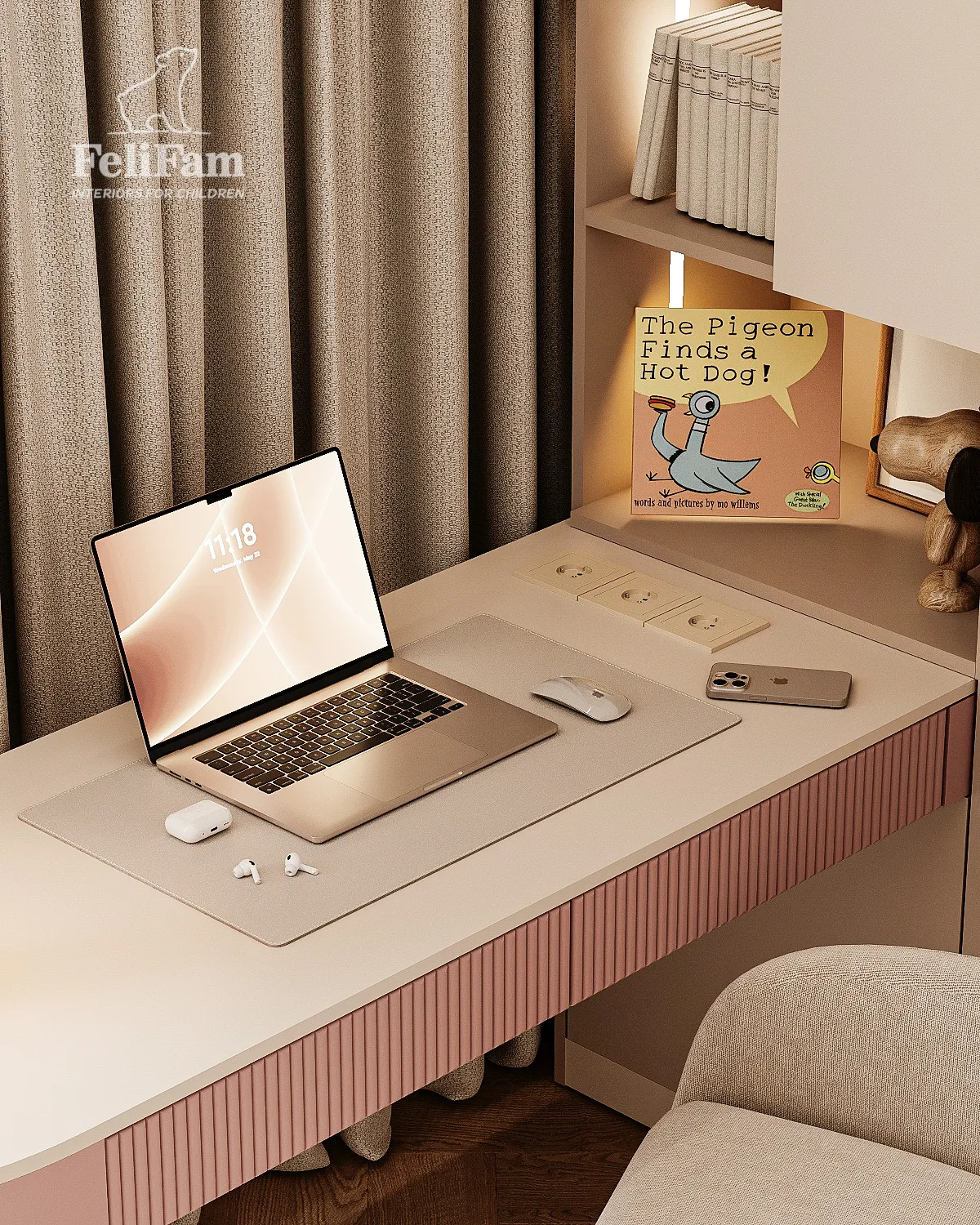
The Study Space Should Adapt to the Child, Not the Other Way Around
For a long time, children’s room design often followed the idea of buying furniture “to grow into” or prioritising the parents’ aesthetic preferences. As a result, children sometimes had to adapt to furniture that did not fully suit their height or needs. But children spend a significant amount of time at their desks already, so their study space should be comfortable for them now, not only a few years from now.
This approach aligns well with child-centred principles of space planning. The Montessori method, for example, places particular importance on a prepared environment where furniture and everyday objects are accessible to the child and suited to their abilities.
Adapting a study space to a child comes down to three important principles, whether they are just getting ready for school or have already returned to classes:
- Comfort and proper seating. Furniture that does not fit a child properly can create discomfort during longer periods of work. This is where children’s furniture designed to individual requirements can be a practical solution when standard dimensions do not suit the room or the child’s needs. If replacing the furniture is not an option, it can often be adapted with an adjustable chair or footrest. Have your child sit at the desk and check that their feet have proper support, their knees and elbows are positioned at approximately right angles, and their shoulders remain relaxed. The desk height should allow the child to rest their forearms comfortably on the surface without lifting their shoulders.
- Thoughtful lighting for comfortable studying. Good lighting helps create comfortable conditions for reading, writing and working at a computer. If possible, place the desk near a window and make use of natural light. For a right-handed child, light can come from the left, while for a left-handed child it can come from the right, helping prevent the hand from casting a shadow across the work surface. For studying after dark, a desk lamp with an adjustable arm is useful. The light should illuminate the work surface evenly without creating harsh shadows or glare. Avoid having the child work with only a desk lamp switched on. Soft general lighting combined with task lighting can make the study area more comfortable.
- Psychological comfort and independence. When a space is adapted to the child, it becomes easier for them to use their belongings independently and keep things organised. In a safe environment where books, toys and other everyday items are placed within easy reach, children can gradually learn to make their own choices and organise their personal space. A clear layout and accessible storage can make everyday routines feel more predictable and comfortable.
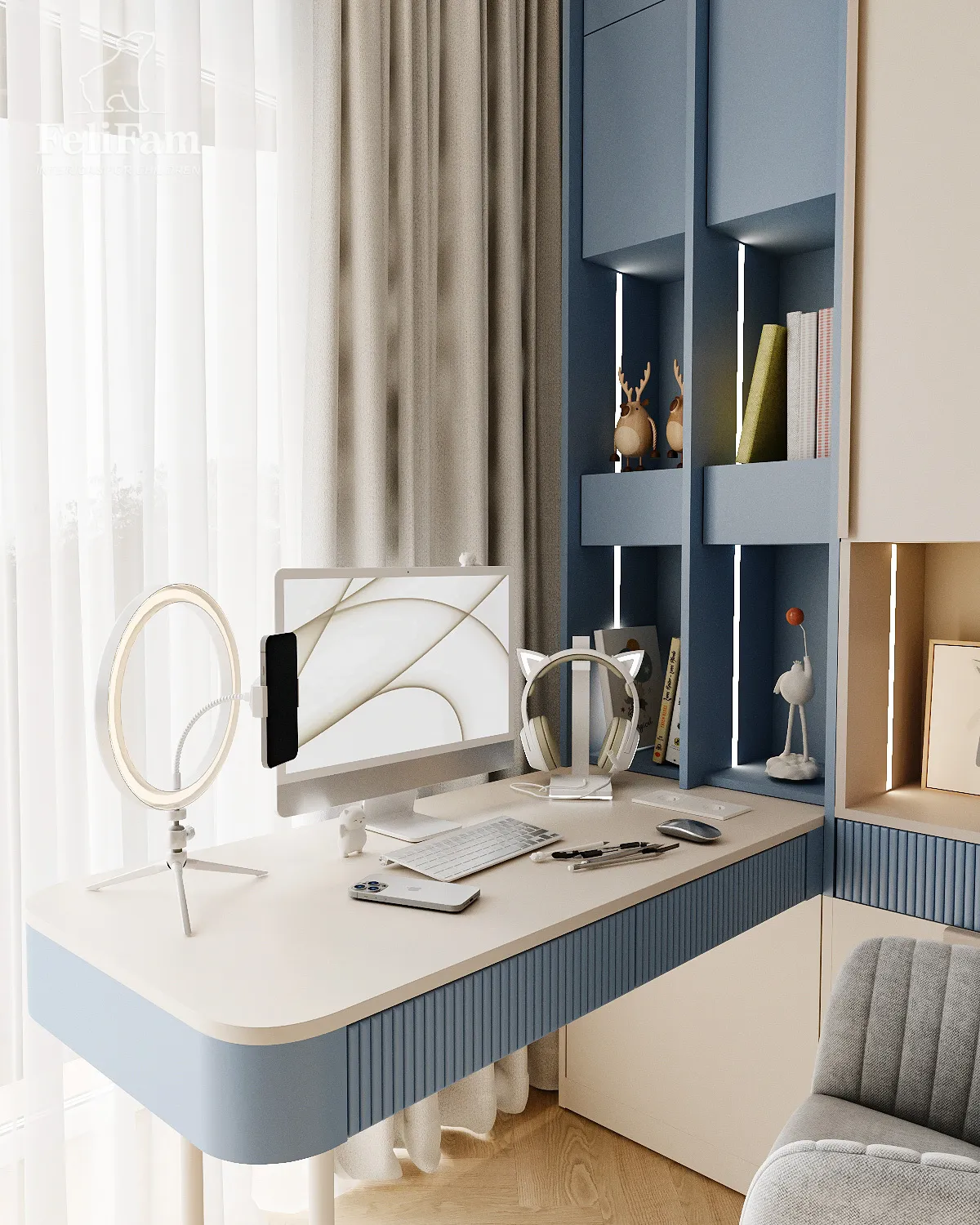
Let the New School Year Begin with Comfort
Preparing a child’s room for the new school year does not require a major renovation or rushed spending. Even if classes have already started, it is never too late to make the space more comfortable. A few hours can be enough to clear away unnecessary items, check the desk setup, improve the lighting and organise places for school materials.
Most importantly, the room should not turn into a strict office-like environment. There should always be space for favourite toys, a cosy place to relax and the little things that make the room feel like a child’s own. A new school year does not mean that carefree childhood has to stay behind.
A thoughtfully adapted, child-friendly space can help children settle more comfortably into a new school routine or make everyday studying easier if classes have already begun. For parents, it also brings the reassurance that their child has a comfortable place at home for learning, relaxing and simply being themselves.