





Colors in the children’s room create an atmosphere that can influence the child’s mood, emotions, and even behavior. Choosing the right palette helps make the space cozy and stimulating, supporting development and creativity. From bright shades to calm tones – each color has its purpose, and it is important to take into account the needs of the child when decorating the room.
Color psychology: how color affects a child
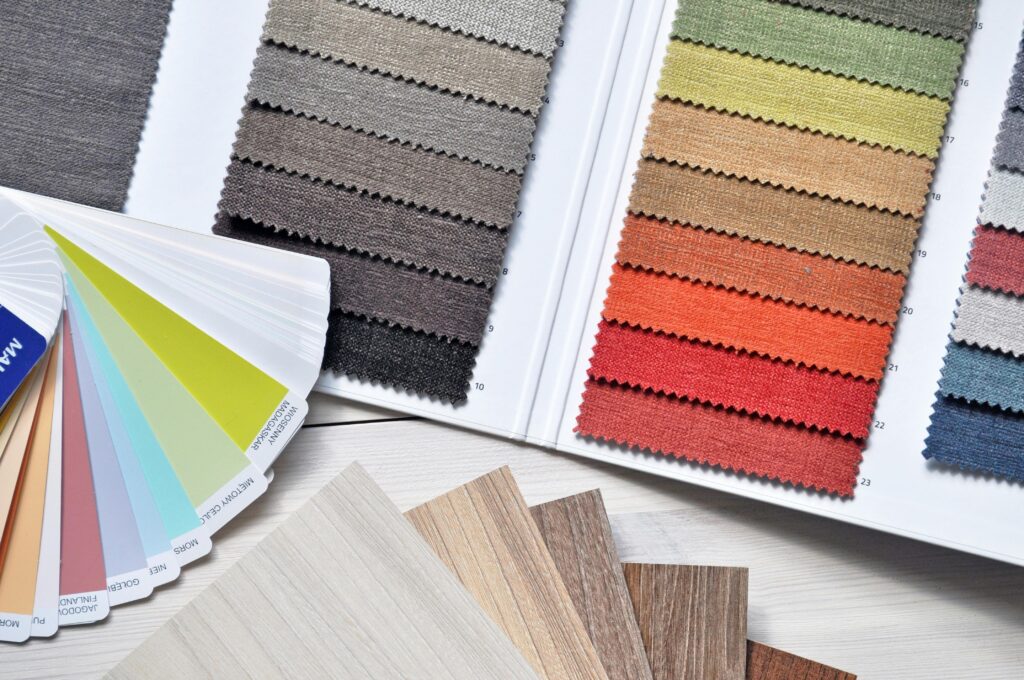
Different colors have different effects on the psychological state and behavior of children. Some colors stimulate activity, others calm and help focus. Each color evokes certain emotions and associations. Colors can also cause physiological reactions in the body. For example, bright colors can increase the heart rate and trigger the release of adrenaline, which leads to feelings of energy and excitement. Instead, soft shades can lower blood pressure and promote relaxation.
- Red: Stimulates activity and increases energy, but in large quantities can cause aggression.
- Blue: calms, reduces anxiety and promotes concentration.
- Yellow: associated with happiness and positivity, but excessively bright yellow can be tiring.
- Green: creates a feeling of peace and harmony, helps to relax.
- Purple: stimulates creativity and imagination, suitable for creative children’s rooms.
Important: When choosing a color, consider the child’s character and temperament, as well as the overall atmosphere you want to create.
Colors in the children’s room for different age groups
Each age has its own needs and requirements for the color scheme, which is due to the emotional, psychological and physiological changes that occur in the child. At different periods of life, children react to colors in different ways, so it is important to consider their age when choosing a palette.
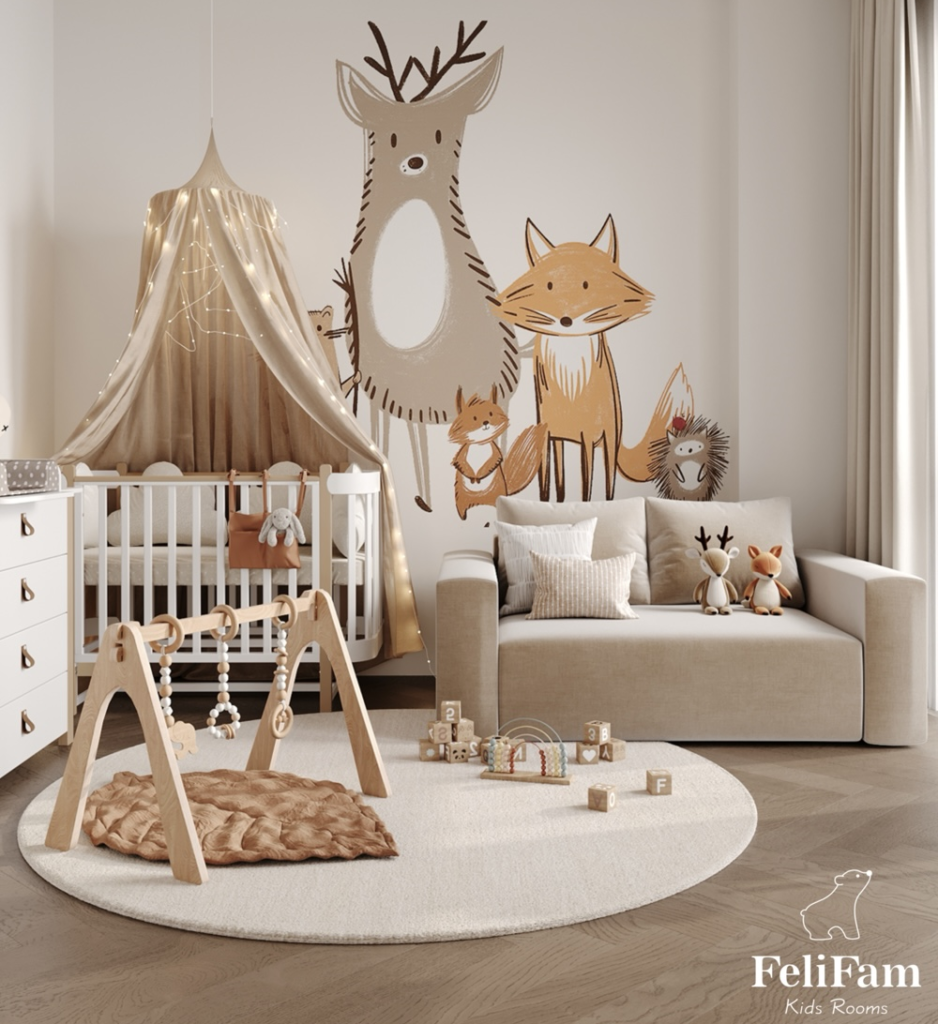
Infants (0-2 years): At this age, children cannot yet perceive colors clearly, but soft pastel shades such as pale blue, soft pink or light yellow create a calm and cozy atmosphere. It helps build positive emotions and provides a safe environment that promotes development.
Preschool children (3-6 years old): During this period, children begin to actively explore the world and express their emotions. Bright, but not too aggressive colors, such as yellow, green and blue, can stimulate their activity and creativity. A correctly selected color scheme helps calm the child during sleep and activates during games.
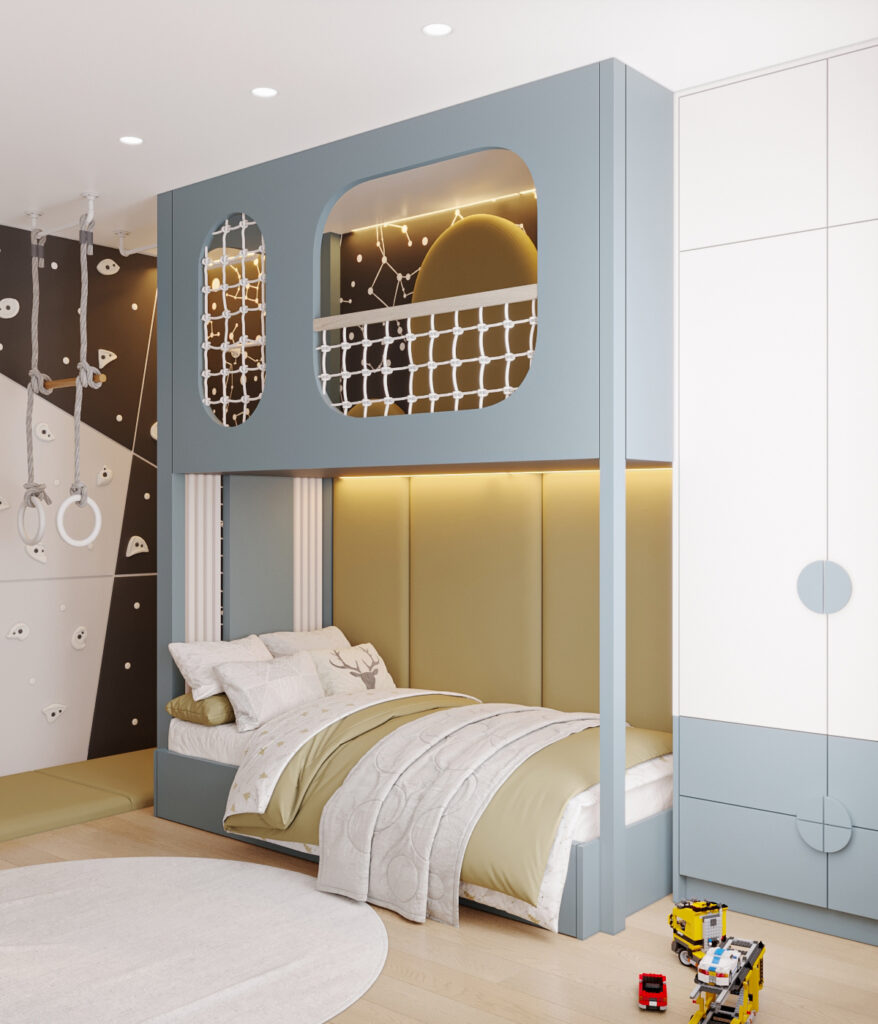
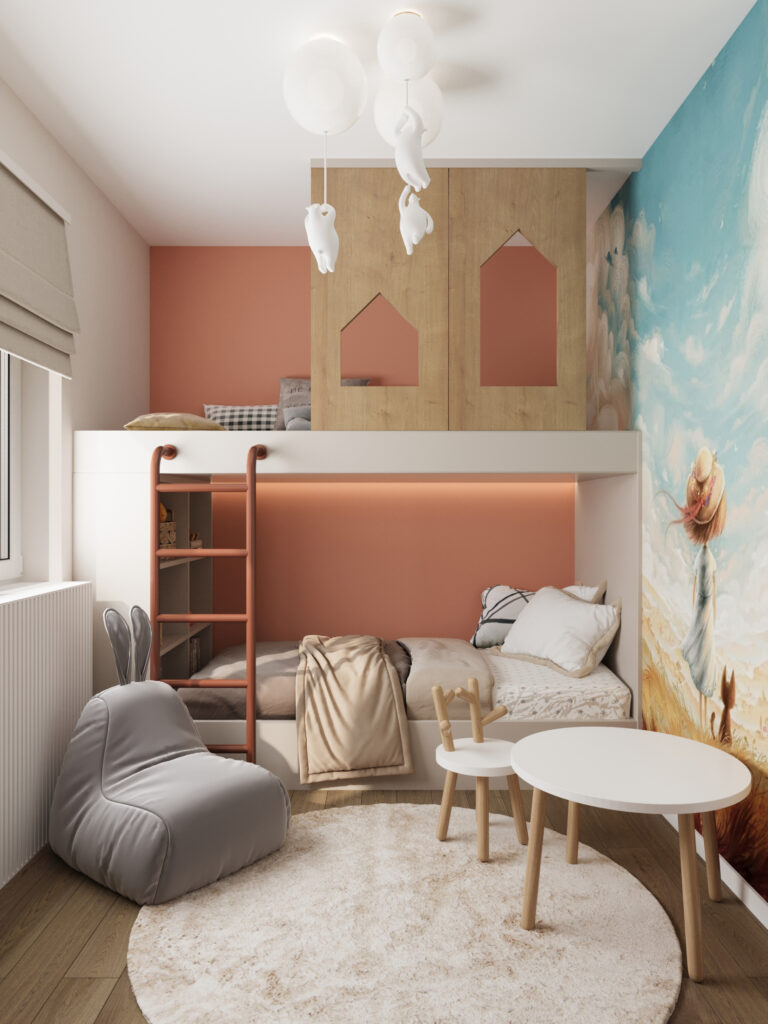
Younger school age (7-10 years): At this age, children become more independent and independent. It is important for them to be able to choose colors that reflect their interests and personality. Calm shades like blue or green help you focus on your studies, while bright accents like red or orange can energize a room.
Adolescence (11 years and older): At this age, teenagers begin to actively shape their personality and style. It is important to consider their preferences when choosing colors. It can be both a bright palette that emphasizes the individuality of a teenager, and darker, more restrained shades that allow you to express your maturity. Teenagers often choose colors that match their mood and emotional states. Thus, it is important to give them the opportunity to choose for themselves which colors they like, as this helps to shape their identity.
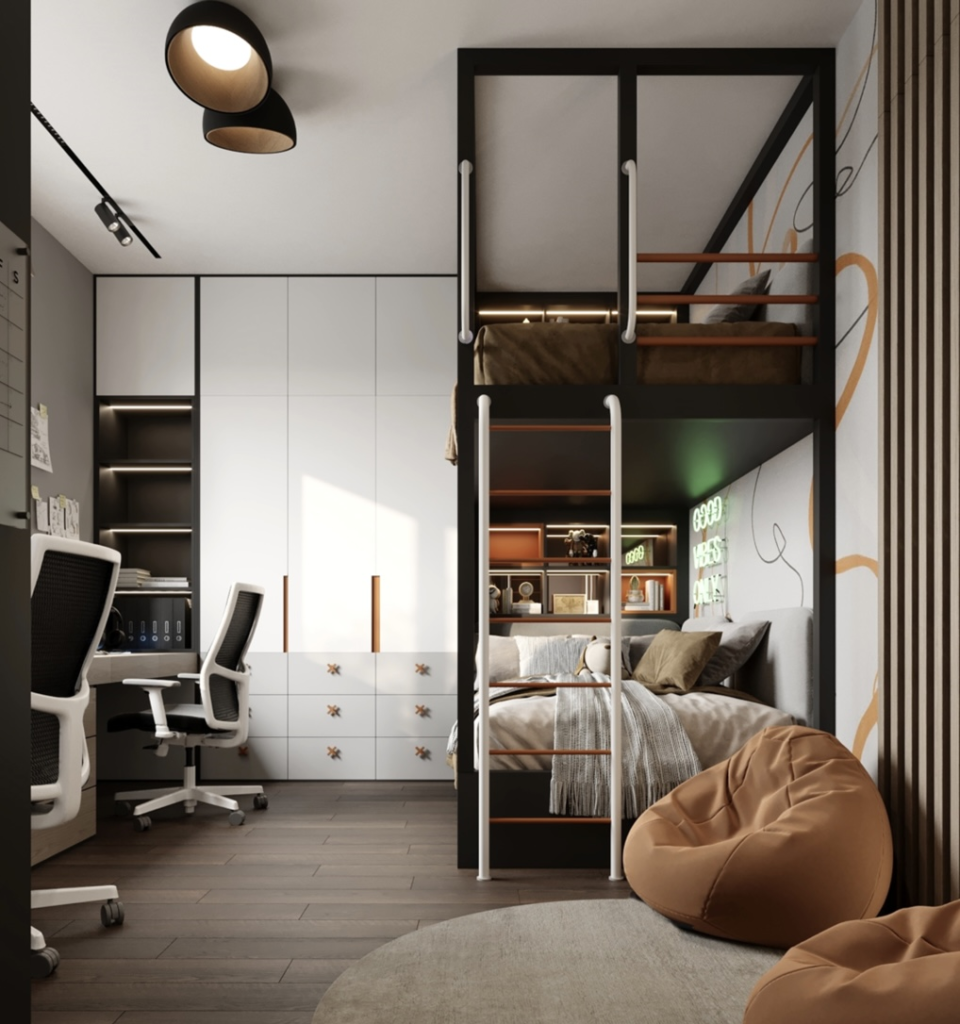
Practical tips for combining colors
It is important to correctly combine colors so that the room looks harmonious, not chaotic. The main color can become the basis for creating a stylish space around which other shades are formed. Here are some tips for effectively combining colors in a children’s room:
- Use the 60-30-10 rule: 60% of the space is the main color, 30% is secondary, 10% is accents.
- Accent elements: bright colors can be used in details such as pillows, picture frames or blankets.
- Combinations of soft and bright tones: soft shades for walls and bright details for accessories will provide balance and avoid color overload.
- Neutral background with colored accents: Using neutral tones for the walls makes it easy to change the accents without repainting the room.
Tip: Avoiding an excess of vibrant colors can help create a calm atmosphere where the child feels comfortable.
The right choice of colors for the children’s room not only contributes to the aesthetic appearance of the space, but also helps to create an environment that supports the development, creative activity and positive mood of the child. Understanding the psychology of colors helps to choose a palette that will reflect the child’s character and create a cozy atmosphere for rest and learning.

