





Planning a kids’ room is a very special and emotional moment for the entire family. You are creating a space that will become a child’s little world — a place to grow, play, dream and learn. That’s why it’s important to design a modern kids’ room that is comfortable, safe, and functional. This task requires expertise and a thoughtful approach, so it’s best entrusted to professionals. But where should you start? How do you prepare? What should you know before contacting a designer? Let’s go step by step.
Defining the Needs
The first step is understanding what exactly you need. Think about which functions the room should fulfil and which needs it should cover, as well as which styles appeal to you. Would you prefer a design that can grow with your child, or are you planning regular updates over time?

- Room purpose: will it be a bedroom or a playroom? Which zones should be included – sleep, play, study, creativity, or physical activity. A clear understanding of the purpose helps create logical zoning and ensures practical use of the space.
- Longevity of the room: should it be a “grows-with-your-child” room, or do you expect to refresh the design in a few years?
- Storage needs: how much space is needed for clothes, toys, books or sports equipment? What is the right balance between open and closed shelving, and is internal lighting required?
- Style and colours: which style should the room follow, and which colours, materials and textures feel the most natural for your home? You can browse our projects for inspiration and references.
- Special requests: a mini gym, play kitchen, hanging chair, personalised LED sign, etc.
- The child’s interests: what inspires your child, what they love doing, what reflects their personality.
Professional Project Support
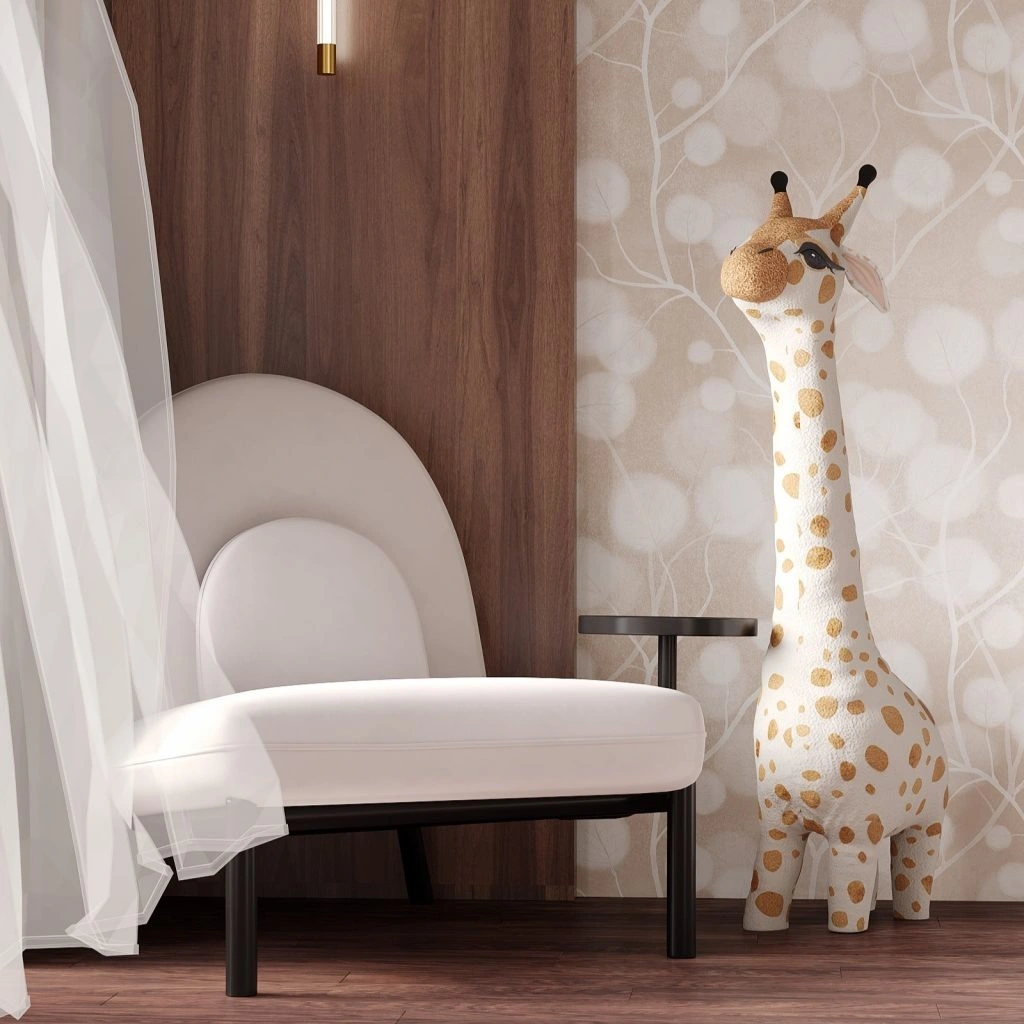
Choosing the right team to accompany the project from concept to installation is a key stage. Experience in kids’ interiors allows designers to balance aesthetics with safety and ergonomics without overloading the room. Custom-made furniture guarantees a result aligned with expectations.
- Explore the market: compare studios, review portfolios and completed projects.
- Check client feedback: this helps assess reliability and quality of execution.
- Look at the studio’s specialisation: kids’ interiors require specific expertise.
- Get in touch with the team: an initial consultation shows how attentive they are to your needs.
- Review collaboration terms: discuss timelines, budget and the workflow.
Cooperation with the Designer
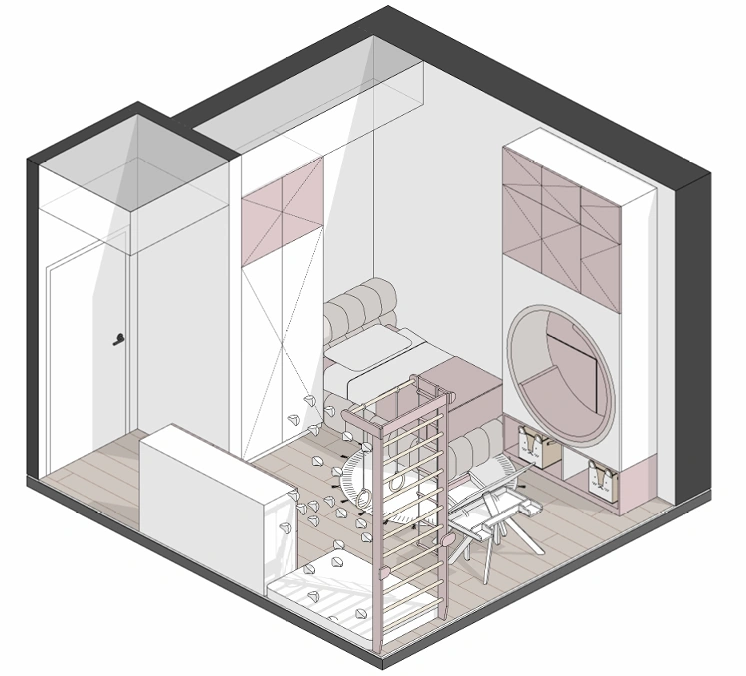
- Be open about your expectations and visual preferences right from the start.
- Ask questions and request adjustments when needed.
- Consider alternative solutions – they may help optimise the budget and functionality.
- Trust the designer’s expertise while staying a part of the decision-making process.
- Think ahead: for example, a second child or transforming the room into a teen space in the future.
Final Stage
The most exciting part begins — turning the concept into reality. At this stage, every detail matters. The best result is achieved when a modern kids’ room is implemented “turnkey”, and furniture production and installation are managed by specialists.
Successful collaboration means staying in touch and not hesitating to clarify or refine details. This is the key to creating a comfortable, safe and modern kids’ room that truly exceeds expectations.

